News

How Can a Paper Tube Machine Reduce Waste and Boost Consistency?

2026-01-27 0 Leave me a message

Article Summary

Paper tubes show up everywhere—packaging, textiles, labels, protective cores, even construction forms. But the moment demand grows, many manufacturers hit the same wall: inconsistent tube strength, messy glue lines, unstable diameters, high scrap rates, and uncomfortable downtime caused by jams and slow changeovers. This guide breaks down what typically goes wrong in paper tube production, what to evaluate before buying equipment, and how to build a stable, repeatable process that delivers strong, clean, customer-ready tubes. You’ll also find a practical checklist, a comparison table of key machine features, and an FAQ to support better purchasing decisions.


Outline

  • Why paper tube production becomes unstable as volume grows
  • Quality benchmarks buyers actually judge you on (not just “it looks okay”)
  • How to match machine configuration to tube diameter, wall thickness, and length
  • Which equipment features reduce glue issues, ovality, and downtime
  • Process controls for paper, adhesive, winding, cutting, and curing
  • Maintenance routines that prevent drift and sudden failures
  • FAQ for purchasing, commissioning, and daily operation

Common Customer Pain Points in Paper Tube Production

If you’ve ever had a “perfect” tube on Monday and a rejection wave on Thursday, you’re not alone. Paper tube production is deceptively sensitive: small changes in paper moisture, adhesive viscosity, winding tension, or blade sharpness can trigger quality drift. When customers complain, they usually aren’t just being picky—their machines downstream (printing, slitting, rewinding, lamination, textile winding) are sensitive too. Here are the pain points buyers mention most, plus what’s typically behind them.

  • Inconsistent inner diameter and ovality: often linked to unstable winding tension, worn mandrel tooling, poor paper alignment, or uneven adhesive spread.
  • Weak bonding or delamination: usually caused by incorrect glue viscosity/temperature, insufficient glue coverage, contaminated paper surfaces, or short curing time.
  • Rough edges, burrs, or dust: commonly from dull blades, incorrect cut speed, vibration, or misalignment between tube feed and cutter.
  • Visible glue lines and messy finish: excessive adhesive, uneven coating, wrong nozzle/roller setup, or poor paper edge control.
  • High scrap and rework: often a symptom of “tuning by feel” instead of standardized settings and basic measurement routines.
  • Downtime from jams and cleaning: driven by glue build-up, paper breaks, inconsistent paper rolls, inadequate guarding against dust, or hard-to-reach cleaning points.
  • Slow changeovers: poor quick-adjust design, unclear parameter recipes, and non-standardized tooling across tube sizes.

A reliable paper tube machine doesn’t just “run.” It helps your operators run it the same way every shift—so your tubes remain stable even when production volume rises or new staff join the line.
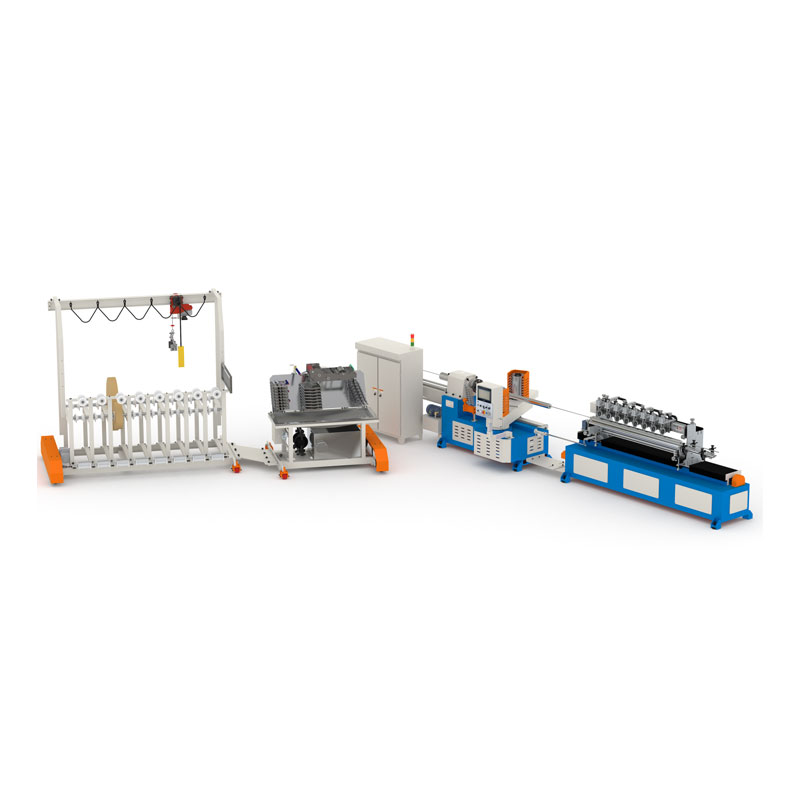

What “Good” Looks Like: Tube Quality Targets That Matter

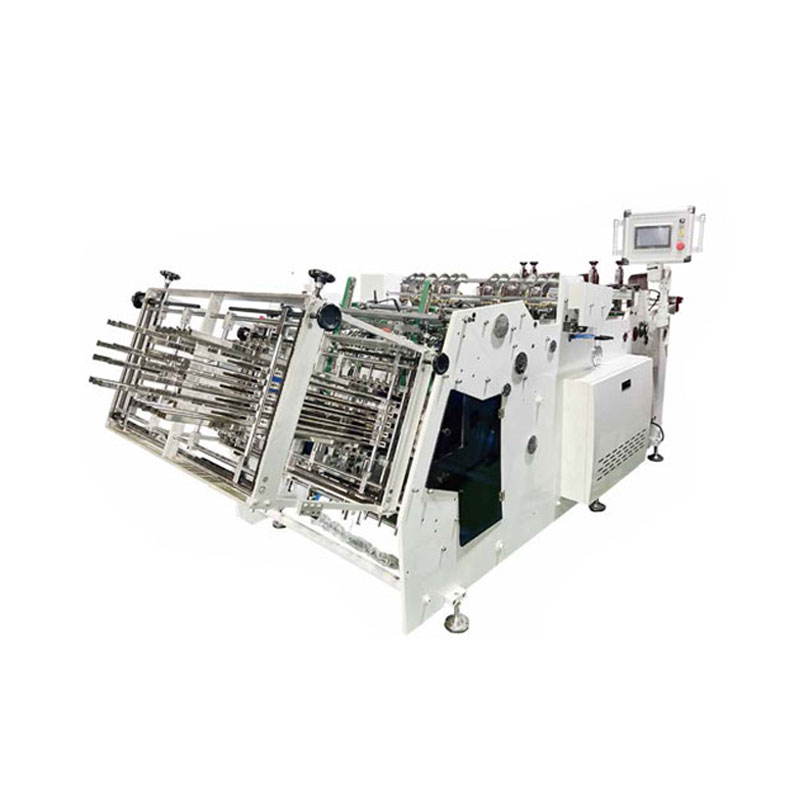
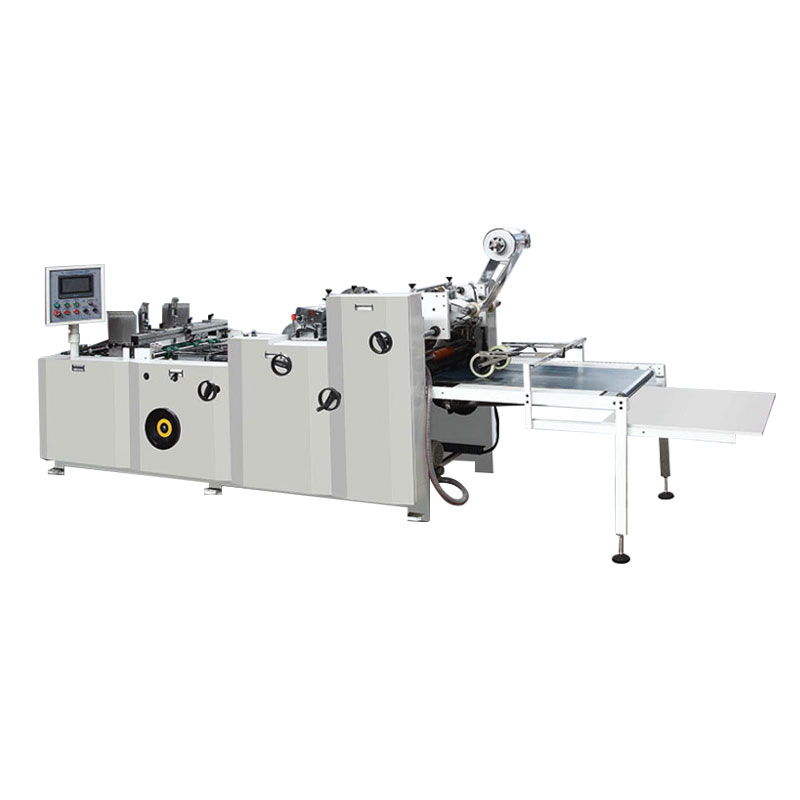
Paper Tube Machine

Different industries care about different tolerances, but most buyers judge tubes using the same handful of outcomes: fit, strength, surface, and cut quality. If you want fewer disputes and faster approvals, define your internal targets up front.

Quality Item Why It Matters to Customers Typical Root Causes When It Fails
Inner diameter stability Prevents wobble, slippage, and vibration on rewinding or printing shafts Mandrel wear, tension drift, paper misalignment, uneven winding pressure
Roundness (low ovality) Improves fit and reduces edge damage during high-speed running Unbalanced tension, inconsistent paper thickness, poor tooling alignment
Bond strength and layer integrity Stops delamination, collapse, and core cracking Wrong glue viscosity, low coverage, insufficient cure time, paper moisture
Cut edge cleanliness Reduces dust, improves handling safety, supports clean packaging appearance Dull blades, incorrect cutter speed, vibration, misfeed
Surface appearance and glue control Important for branded packaging and retail-facing tubes Over-application of glue, uneven coating, unstable feed, dirty rollers

Notice the theme: the machine is only half the story. The best results come from a machine design that supports consistent parameters, plus a production team that measures and standardizes.


Choosing the Right Paper Tube Machine for Your Product Mix

Before comparing models, define your tube “family.” A machine that excels at thick-wall industrial cores may be inefficient for short, thin-walled packaging tubes, and vice versa. Ask yourself:

  • Tube diameter range: What is your smallest and largest inner diameter?
  • Wall thickness range: Are you making light packaging tubes or heavy-duty cores?
  • Length requirements: Do you need fixed-length, multi-length cutting, or frequent custom lengths?
  • Output expectation: Is your priority speed, flexibility, or minimal labor?
  • Surface requirements: Is appearance critical (e.g., packaging tubes), or mainly functional (e.g., industrial winding cores)?

Once you’ve mapped your product mix, choose a machine configuration that protects the “hard parts”: stable winding tension, controlled glue application, accurate cutting, and repeatable adjustments between sizes. This is where an experienced manufacturer can save you months of trial-and-error.

For example, Wenzhou Feihua Printing Machinery Co., Ltd. supports customers who want a dependable paper tube line that can be configured around their tube range, plant layout, and operator habits—because real production success depends on how the machine behaves on your floor, not in a brochure.


Key Machine Features That Protect Quality and Uptime

When buyers focus only on maximum speed, they often pay for it later in scrap and downtime. Instead, evaluate features that make output repeatable and easy to control. Here’s what typically delivers the biggest impact:

  • Stable winding and tension control: Reduces ovality and keeps diameters consistent shift-to-shift.
  • Predictable adhesive delivery: Consistent glue thickness helps prevent delamination and keeps surfaces clean.
  • Rigid frame and low vibration design: Improves cutting quality and reduces blade wear and dust.
  • Quick adjustment for size changes: Shortens changeovers and reduces setup mistakes.
  • Accessible cleaning points: Glue systems that are easy to clean reduce buildup-related jams.
  • Safety and operator ergonomics: When the line is comfortable and safe, output is steadier and training is faster.

A helpful way to compare options is to translate features into business outcomes: fewer customer complaints, less scrap, faster changeovers, and easier training. If a supplier can explain how their design reduces those risks, they likely understand real production.


Process Controls That Prevent Scrap Before It Starts

Even a strong paper tube machine can’t “fight” unstable inputs forever. The fastest route to consistent tubes is to standardize the basics: paper, glue, winding settings, and cutting settings. Here’s a practical approach you can implement quickly.

  • Paper checks: Confirm roll quality, consistent width, clean edges, and stable moisture. Store rolls properly to avoid humidity swings.
  • Adhesive routine: Measure viscosity consistently, keep temperature stable, and set a cleaning schedule that prevents buildup.
  • Parameter recipes: For each tube size, define winding speed, tension targets, glue setting, and cutting speed—then lock them as a standard.
  • In-process measurement: Check inner diameter and roundness at a fixed interval (for example, every X tubes or every Y minutes).
  • Cutting discipline: Replace or sharpen blades on schedule; don’t wait for visible defects—by then, you’ve already shipped risk.

If you want a simple mindset: don’t chase defects at the end. Catch drift early with small checks and consistent recipes. That’s what turns tube making from “operator talent” into a scalable process.
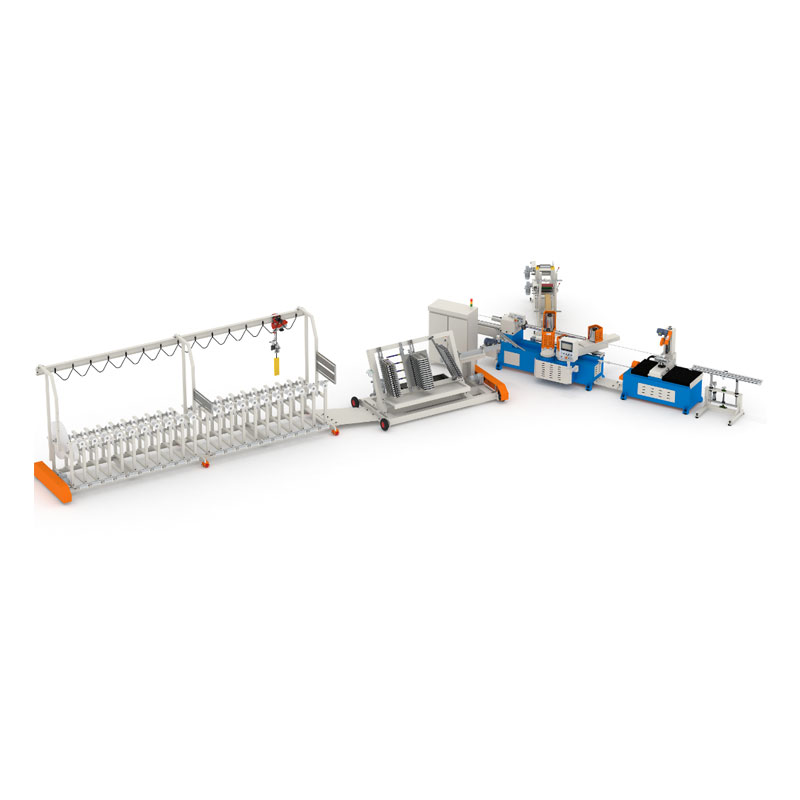

Maintenance Habits That Keep Output Stable

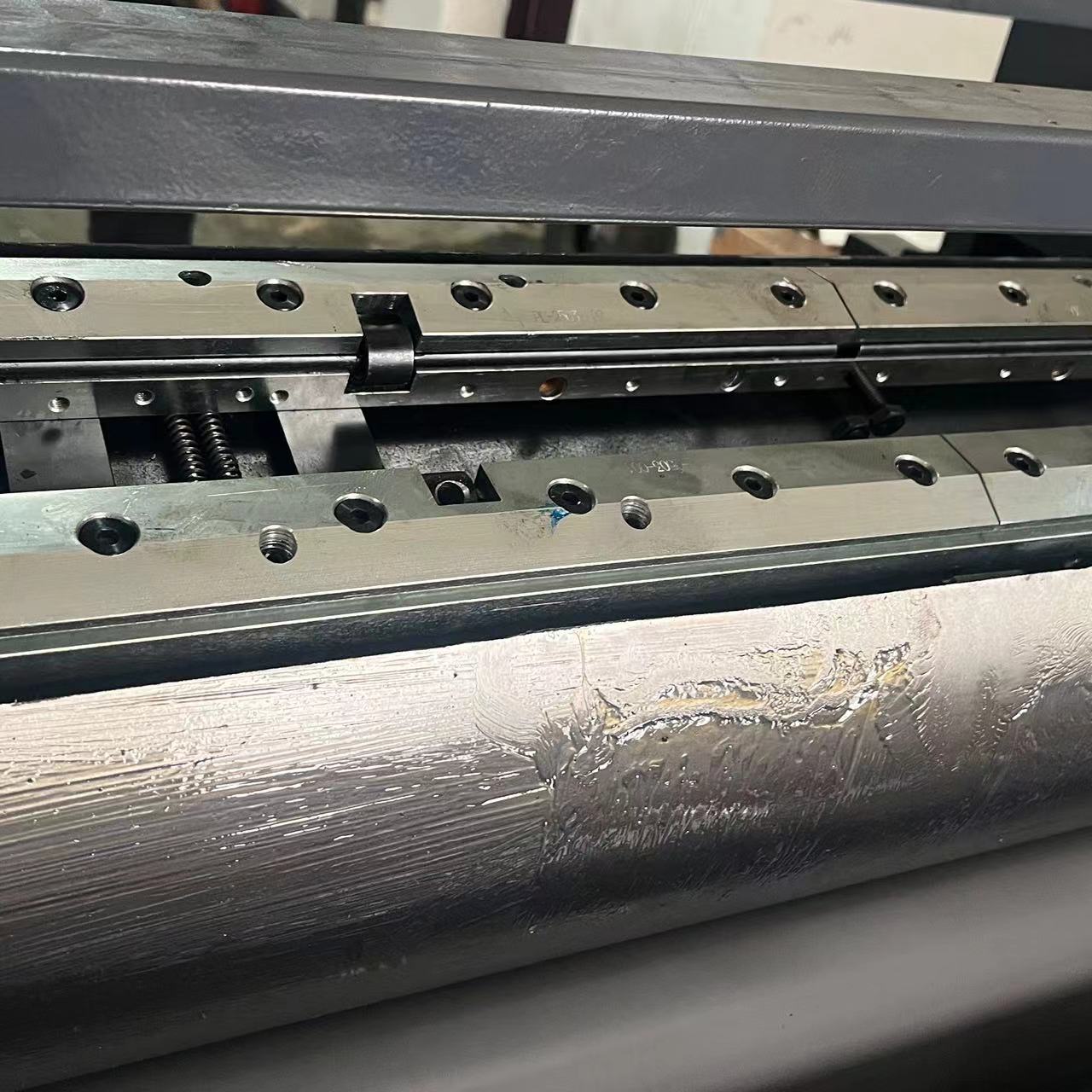
Paper Tube Machine

Most sudden production failures aren’t random—they’re delayed consequences of small neglected issues. A short, consistent maintenance routine often beats “big repair days” that arrive after quality has already dropped.

  • Daily: Clean glue contact points, remove dust around cutting area, inspect blade condition, verify basic safety components.
  • Weekly: Check alignment references, inspect rollers and contact surfaces, confirm stable winding tension behavior.
  • Monthly: Review wear parts, verify calibration points, document any drift in diameter or roundness trends.

Also: keep a simple log. When a defect appears, record the date, tube type, paper batch, glue setting, speed, and who was on shift. Patterns become visible faster than you’d expect—and those patterns are how you fix root causes instead of repeating emergencies.


FAQ

What causes paper tubes to go oval even when the machine seems stable?
Ovality often comes from tension imbalance, mandrel/tooling wear, or paper variability. Even small humidity changes can affect paper stiffness. A consistent tension approach and routine tooling inspection typically reduce ovality quickly.
How do I reduce delamination complaints from customers?
Start with adhesive consistency: stable viscosity, temperature, and coverage. Then confirm curing time is sufficient for your wall thickness. If delamination happens only on certain days, investigate paper moisture and storage conditions.
Why are my cut edges dusty or rough?
Dust and rough edges usually point to blade wear, vibration, or cutting speed mismatch. Regular blade maintenance and a rigid cutting setup can dramatically improve edge cleanliness and reduce cleanup time.
What should I prepare before commissioning a new paper tube machine?
Prepare your tube specification list (diameters, thickness, lengths), your paper types, your adhesive choice, space and power requirements, and a basic quality checklist (diameter, roundness, bond strength, cut quality). The clearer your targets, the faster commissioning goes.
How can I shorten changeover time between different tube sizes?
Use standardized parameter recipes, consistent tooling, and a step-by-step setup checklist. Quick adjustment design helps, but documentation and training are what keep changeovers fast across different operators.

Next Steps

If you’re dealing with unstable tube dimensions, bonding issues, or downtime that keeps eating your margins, don’t just “tune harder.” Define your tube range, lock your process recipes, and choose equipment that makes consistency easy for operators—every shift, not only on a good day.

Want to match a paper tube machine configuration to your exact tube sizes, materials, and output goals? Reach out to Wenzhou Feihua Printing Machinery Co., Ltd. and contact us to discuss your requirements and get practical recommendations for a cleaner, more consistent production line.
Related News
Leave me a message
X
We use cookies to offer you a better browsing experience, analyze site traffic and personalize content. By using this site, you agree to our use of cookies. Privacy Policy
Reject Accept