Language

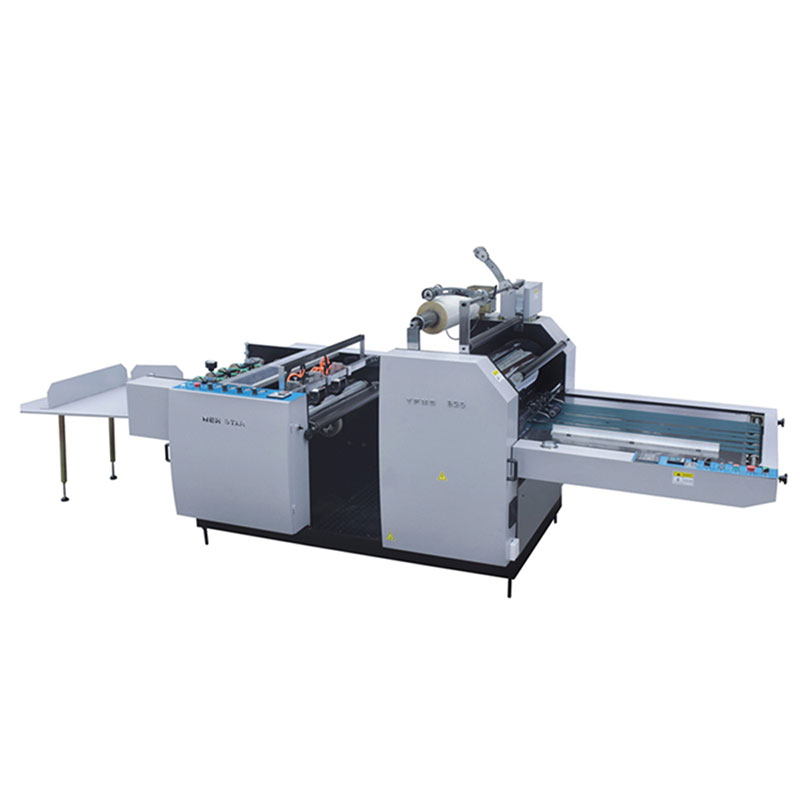
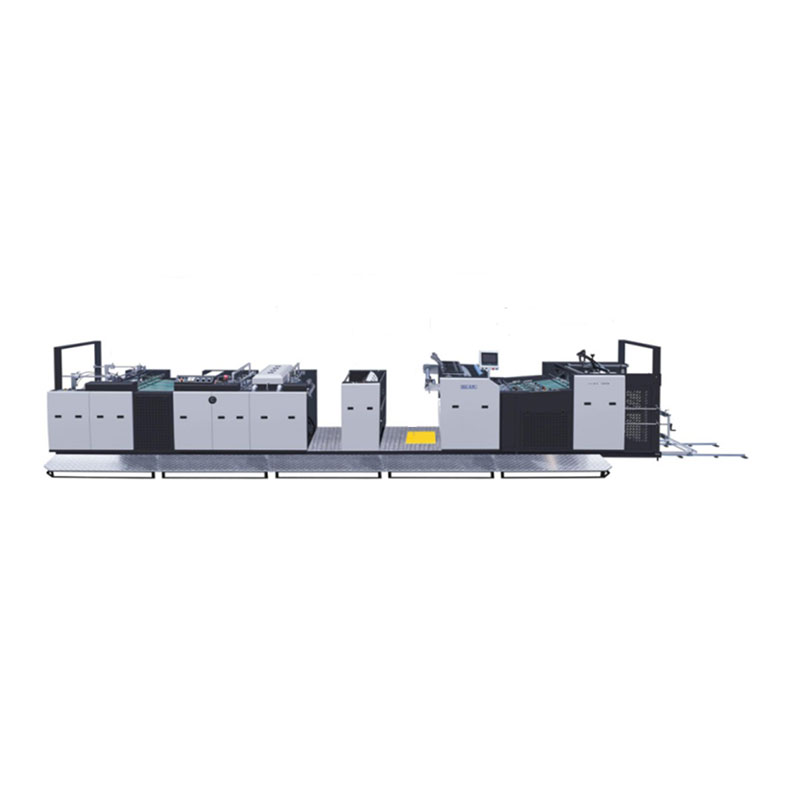
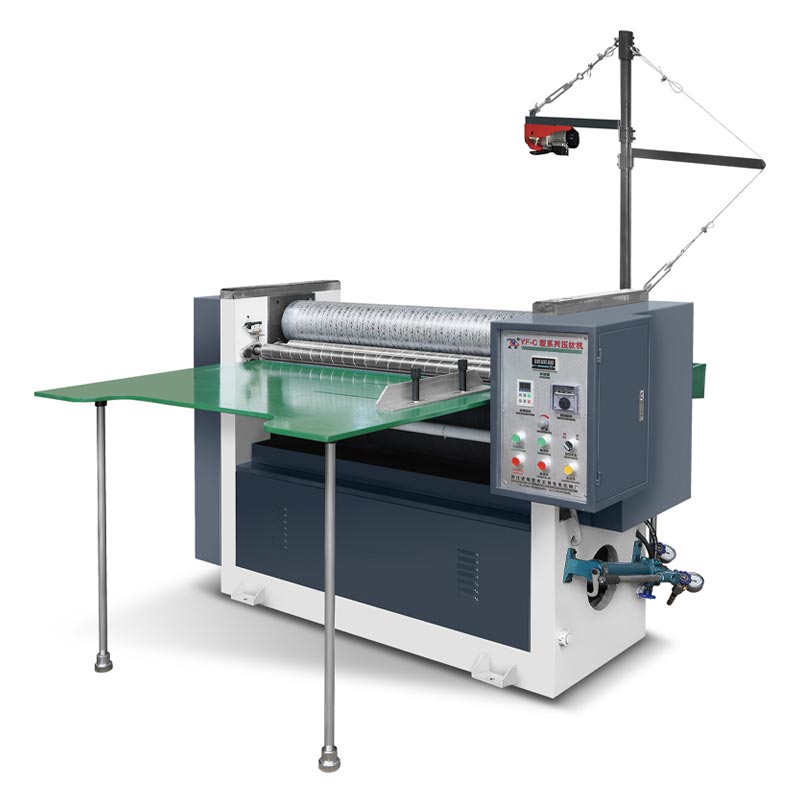
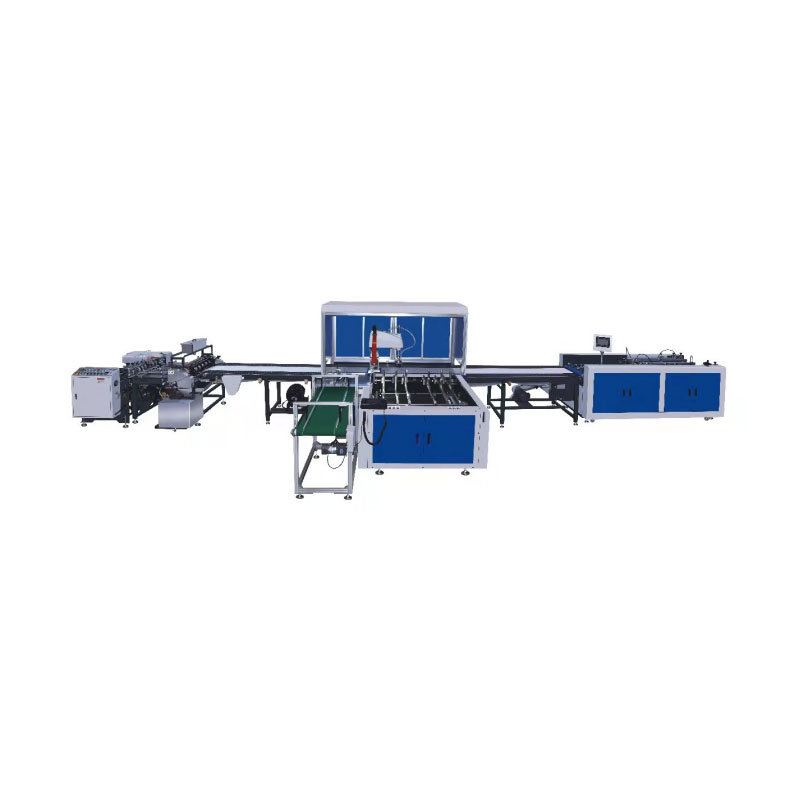
I’ve watched too many packaging lines hit the same wall: demand grows, quality expectations rise, and the “manual-heavy” workflow starts breaking down in the exact places customers notice most—wrinkles, misalignment, weak corners, and inconsistent glue lines. That’s where NEW STAR entered my radar, not as a flashy name-drop, but as a practical answer to one question I kept asking myself: how do I keep rigid boxes premium while making production predictable? When I started looking deeper into how a Rigid Box Machine supports automation, stability, and repeatability, the business case got very hard to ignore.
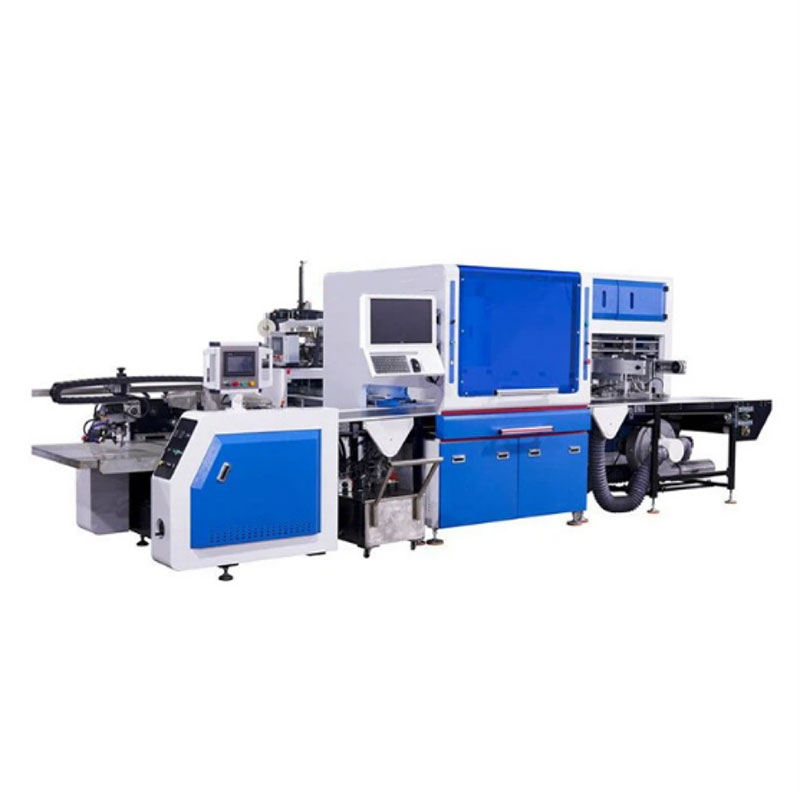
Rigid boxes look straightforward on the outside, but the “premium look” comes from tight tolerances and repeatable forming. The moment output targets rise, common pain points show up fast:
For me, a modern Rigid Box Machine is less about “replacing people” and more about standardizing quality so the team can focus on throughput and finishing details.
When I evaluate equipment, I don’t start with speed claims—I start with workflow control. A well-designed system typically brings several steps into a stable, repeatable sequence:
In real production, the value is that the Rigid Box Machine reduces “micro-variations” that turn into visible defects at the customer level.
This is the part many teams underestimate. Cost reduction isn’t just “less labor.” It’s fewer hidden costs that quietly drain margin. Here’s the practical breakdown I use:
| Cost Pressure | What typically causes it | How a Rigid Box Machine helps |
| Rework and rejects | Misalignment, wrinkles, weak corners, glue inconsistency | More stable positioning and forming reduces repeat defects |
| Operator training time | Manual skill curve, “tribal knowledge” processes | Standardized settings and guided operation shorten ramp-up |
| Material waste | Trial runs, frequent adjustments, poor repeatability | Fewer setup cycles and less tuning means less scrap |
| Throughput bottlenecks | Manual steps slow the line and limit peak output | Automation consolidates steps and stabilizes cycle times |
| Quality disputes | Inconsistent box appearance across batches | Repeatable forming improves batch-to-batch consistency |
If your customers are premium brands, consistency becomes a sales tool. In that context, a Rigid Box Machine can pay back through fewer quality claims, fewer late shipments, and stronger repeat orders.
I like to keep selection simple: match the machine to your box range, your quality target, and your changeover reality. Here’s the checklist I use before I talk to any supplier:
If you’re producing multiple SKUs, I’d also look for options that support efficient positioning strategies so you’re not stuck buying separate systems just to handle different formats.
When I reach out, I avoid vague questions like “What’s the best machine?” Instead, I ask the questions that reveal whether the supplier understands real production constraints:
Those answers matter more than a single speed number—because speed without consistency just produces defects faster. The right Rigid Box Machine should protect your quality while scaling your output.
In my experience, yes—because premium packaging is judged in seconds. If a box feels soft, looks uneven, or arrives with corner damage, the brand impression drops instantly. A well-matched Rigid Box Machine helps you produce boxes that feel intentional: clean edges, stable structure, and repeatable wrapping that looks premium across batches.
That’s why I see suppliers like NEW STAR as relevant for manufacturers who want to move from “making boxes” to “building a reliable premium packaging line.”
If you’re planning to upgrade your rigid box production or want a clearer equipment roadmap, reach out and share your target box sizes, board thickness, and daily output goals. I recommend contacting NEW STAR directly to discuss configurations, workflow fit, and the most practical setup for your line—contact us to request a quotation and get a solution matched to your production reality.