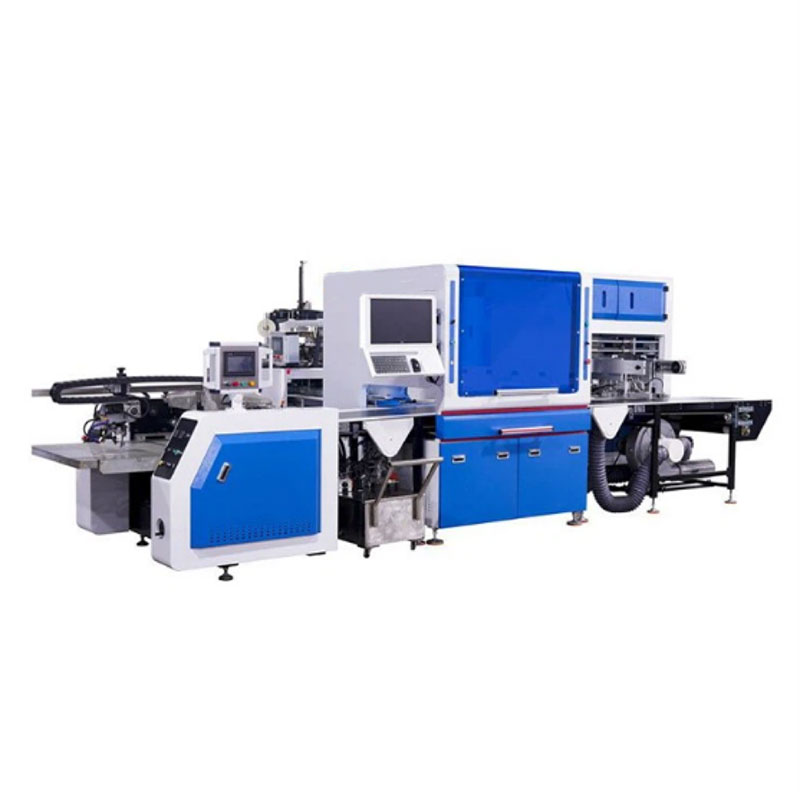
A Rigid Box Machine is often the difference between “premium-looking” packaging and costly rework: bubbles, wrinkles, uneven folds, misaligned wraps, glue marks, and inconsistent corners can quietly destroy yields and delivery schedules.
I’ve watched too many packaging lines hit the same wall: demand grows, quality expectations rise, and the “manual-heavy” workflow starts breaking down in the exact places customers notice most—wrinkles, misalignment, weak corners, and inconsistent glue lines.
I run a busy packaging operation where every minute matters. When I started comparing solutions, I kept circling back to how the machine would behave on my floor.
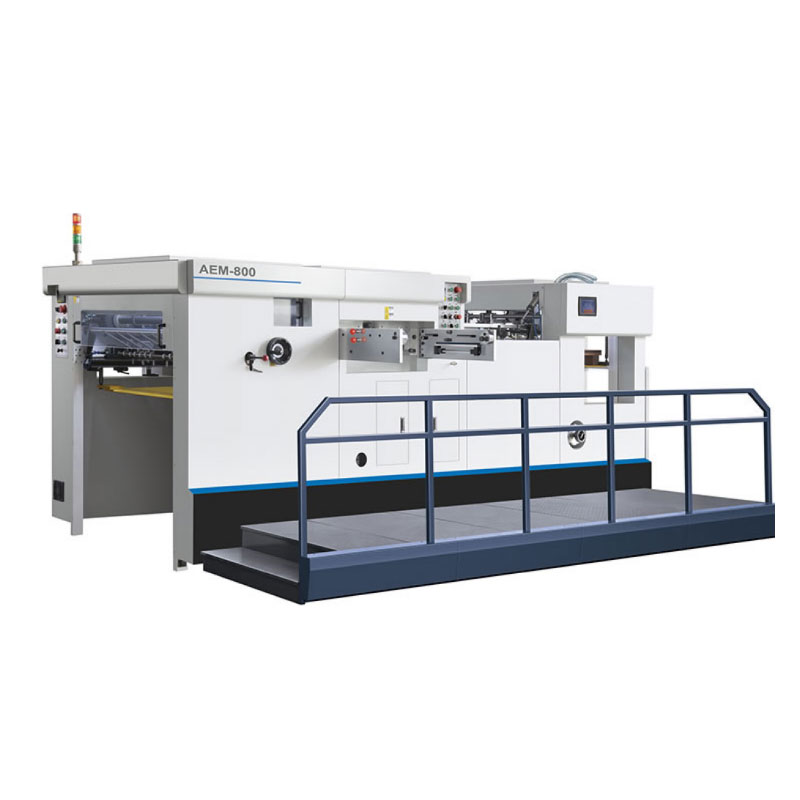
I run packaging lines for years, and nothing swings my weekly margins more than the cutter. When I upgraded one of my flatbed lines to a unit from NEW STAR—I was chasing fewer make-ready minutes, cleaner creases, and steadier throughput. That move taught me a simple truth: a modern Die Cutting Machine is less about brute force and more about controllable precision.
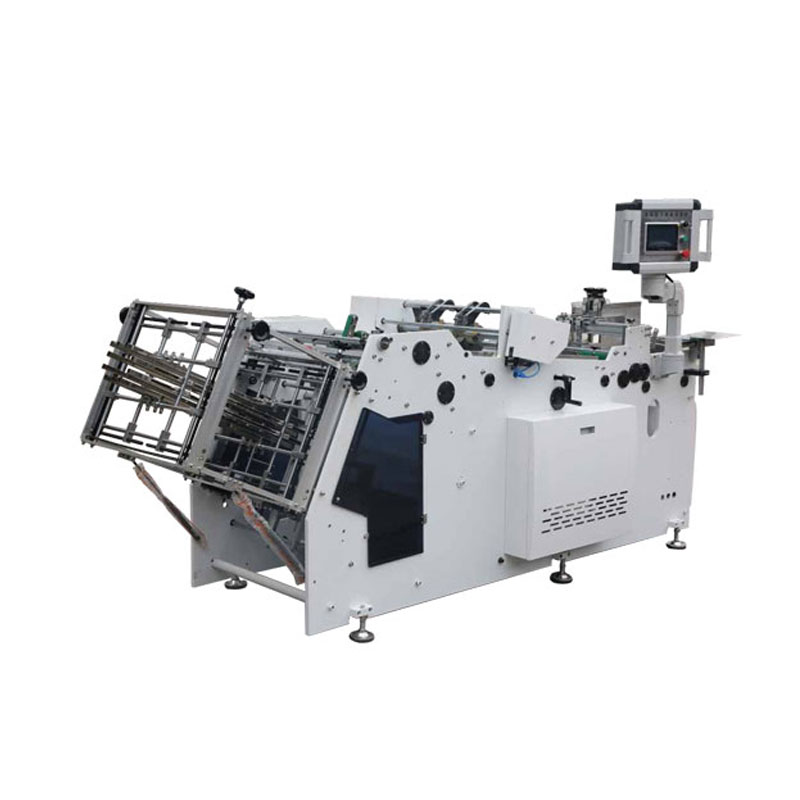
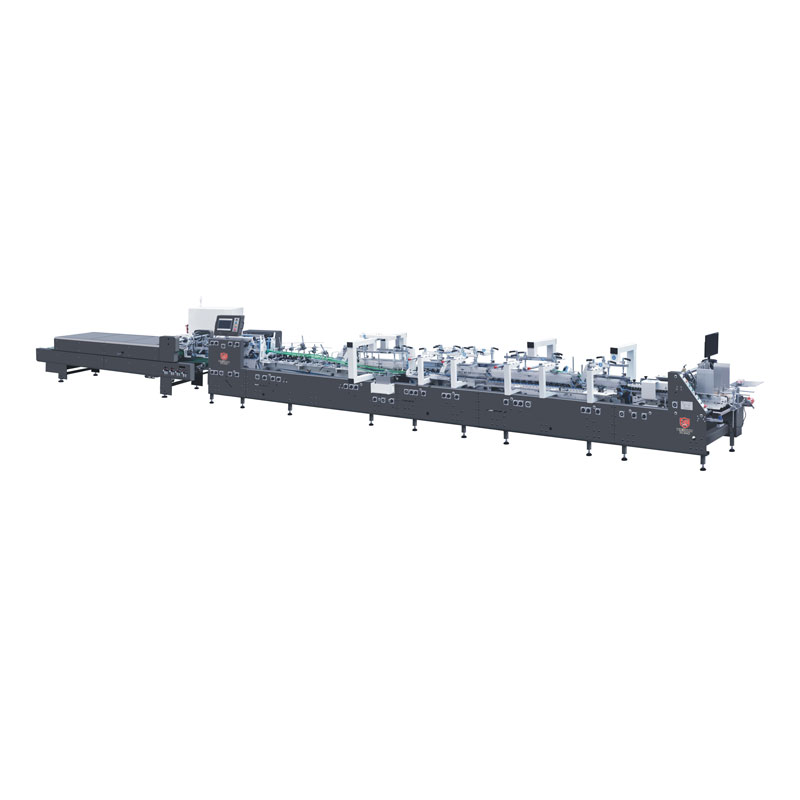
I manage a small but fast-moving print and pack floor, and the first time I watched a technician from NEW STAR run my cartons on a demo, I realized I had treated the Folder Gluer Machine like a finishing box instead of the heartbeat of my line. The shift felt calmer, the counters climbed, and for once I did not babysit every jam. That morning nudged me to rethink training, adhesives, and the way I plan jobs around packaging automation and real-world carton gluing instead of nameplate speeds.
We use cookies to offer you a better browsing experience, analyze site traffic and personalize content. By using this site, you agree to our use of cookies. Privacy Policy


 22 2025-12
  17 2025-12
  12 2025-12
  26 2025-11
  20 2025-11
  12 2025-11