Language

Summary
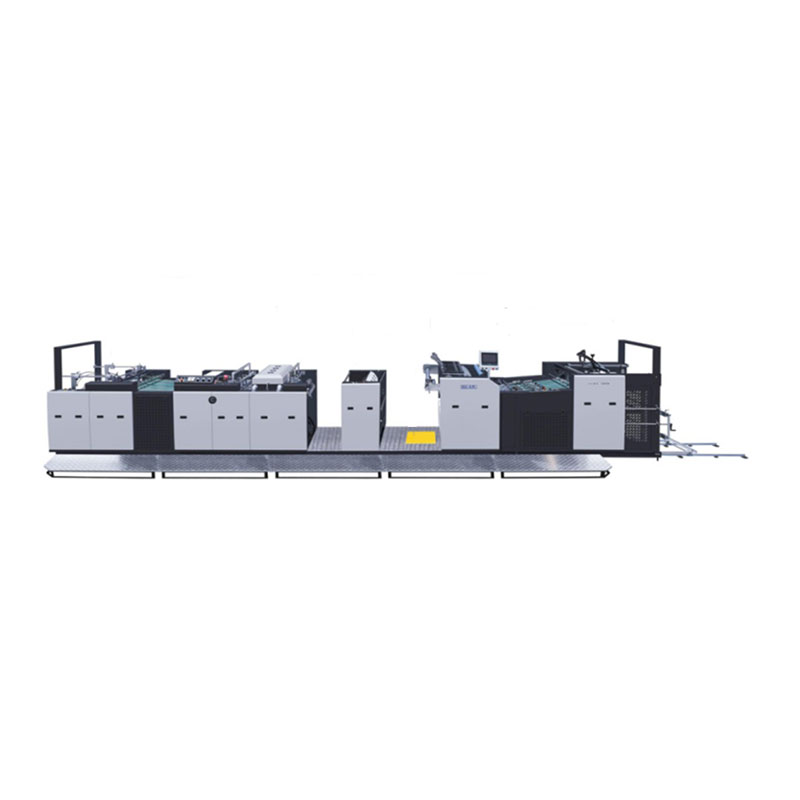
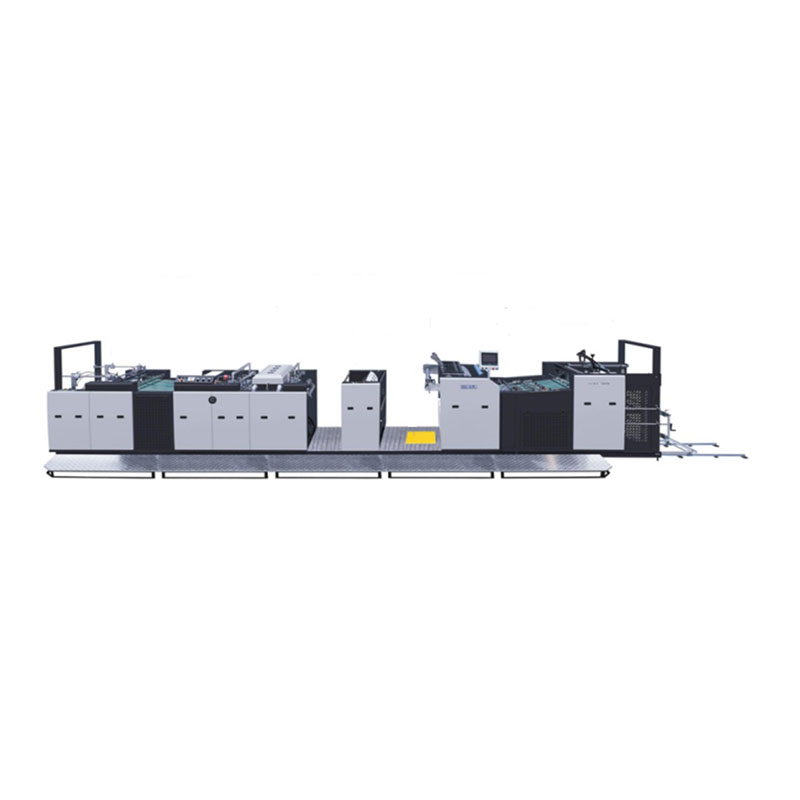
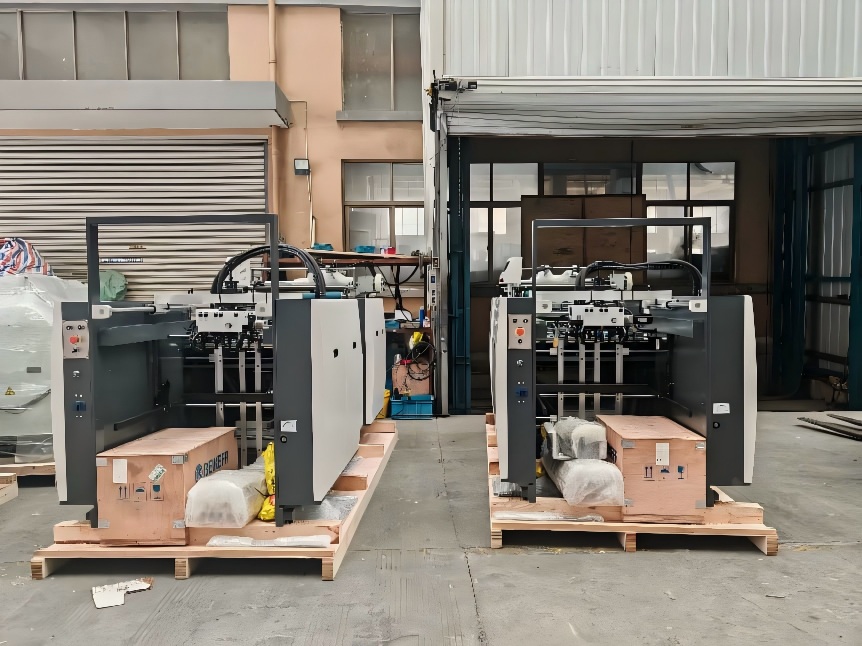
A manual coating machine remains a practical solution for print shops, packaging producers, and finishing workshops that need flexible coating performance without the complexity and cost of a fully automated line. In this article, we explain where a manual coating machine fits best, what customer problems it solves, how it compares with other finishing methods, and what factors really matter before purchase. We also explore coating types, material compatibility, production expectations, maintenance points, and common questions buyers ask before making a decision.
Contents
Article Outline
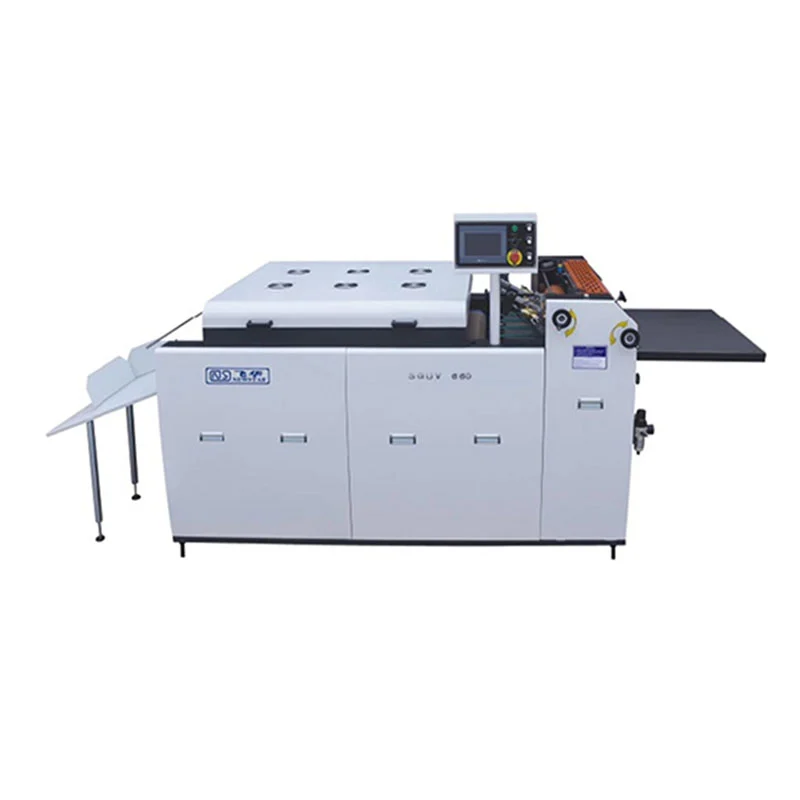
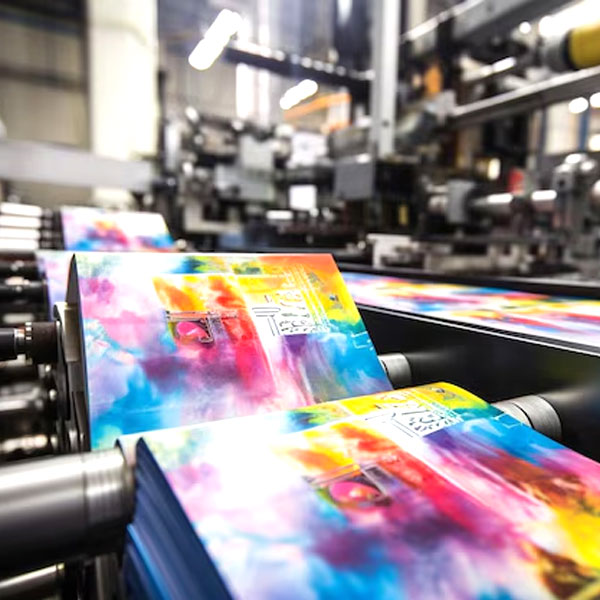
In many printing and packaging businesses, the finishing stage is where product value becomes visible. Customers do not only judge a printed sheet by its color. They also care about touch, gloss, durability, resistance to moisture, and overall presentation. That is exactly where a manual coating machine becomes useful. It gives printed products an extra protective and decorative layer while keeping equipment investment under control.
For small and medium-sized businesses, a manual coating machine is often the most practical entry point into coating production. It helps improve the look and service life of printed items without forcing the workshop to adopt a high-cost, high-speed automatic line before the business is ready. This matters for companies handling short runs, sample orders, custom jobs, and mixed product batches.
A good manual coating machine is not just a simple machine with fewer functions. It is a finishing solution designed for flexibility. It can support coating on brochures, labels, book covers, packaging sheets, advertising prints, and other paper-based products where surface protection and appearance both matter. For businesses that need reliable operation, manageable maintenance, and adaptable production, this type of machine still holds strong relevance.
Wenzhou Feihua Printing Machinery Co., Ltd. understands that many buyers are not simply looking for a machine with technical specifications. They are looking for a dependable answer to real production problems such as scratched surfaces, dull printed pieces, inconsistent finishing quality, or the inability to take on higher-value jobs.
Buyers usually start searching for a manual coating machine because something in their existing workflow is limiting profit, quality, or delivery confidence. The machine itself is not the first concern. The production bottleneck is.
Here are some of the most common problems customers want to solve:
A manual coating machine directly addresses these issues by adding a controllable coating process in-house. Instead of sending work outside or accepting limited finishing options, the business gains better control over surface enhancement and delivery timing.
| Customer Pain Point | Production Impact | How a Manual Coating Machine Helps |
|---|---|---|
| Surface wear during handling | Damaged appearance and customer dissatisfaction | Adds a protective layer that improves wear resistance |
| Dull visual effect | Lower perceived value of printed products | Enhances gloss, surface smoothness, and presentation |
| High outsourcing cost | Reduced margin and slower delivery | Brings coating work back into the workshop |
| Low flexibility for short runs | Inefficient finishing for custom jobs | Supports practical operation for smaller and mixed orders |
| Budget pressure on new equipment | Delayed investment decision | Provides a lower-barrier route into coated finishing |
A manual coating machine is widely used wherever printed surfaces need both protection and visual improvement. It is especially valuable for shops serving customers who order promotional, publishing, or packaging materials in moderate quantities.
Typical applications include:
Different customers also value coating for different reasons. A publisher may care most about rub resistance on covers. A packaging customer may focus on shelf appearance. A commercial print shop may want coating mainly to improve tactile quality and visual depth. That flexibility is one reason the manual coating machine continues to be a useful finishing tool.
Practical insight
If your business frequently handles short-run brochures, custom labels, presentation folders, or packaging mockups, a manual coating machine can help you offer a more complete finishing service without overextending your equipment budget.
When buyers compare finishing solutions, they often ask whether a manual coating machine is still worth it compared with faster automated systems. The answer depends on production structure, order profile, labor setup, and target market. For many workshops, the advantages are still compelling.
| Advantage | Why It Matters |
|---|---|
| Flexible operation | Suitable for varied products, short runs, and changing job requirements |
| Lower initial investment | Helps businesses upgrade finishing capacity without excessive financial pressure |
| Improved product appearance | Creates a brighter, smoother, more attractive final surface |
| Protective finishing layer | Improves resistance to moisture, abrasion, and everyday handling |
| In-house process control | Reduces dependence on outside finishing suppliers |
| Useful for training and workflow expansion | Allows teams to build coating experience before scaling to higher automation |
Another important benefit is operational visibility. With a manual coating machine, operators stay close to the process. That can be a real advantage when working on premium, customized, or delicate jobs that require close observation. It gives the workshop greater sensitivity to substrate behavior, coating amount, surface response, and finishing quality.
It is also a good fit for businesses that want to diversify their finishing offer. Instead of relying only on lamination or leaving the substrate untreated, they can introduce an additional surface treatment option and meet a broader range of customer expectations.
Customers often compare a manual coating machine with laminating equipment or fully automatic coating systems. Each option has a place, but they are not interchangeable in every case.
| Finishing Option | Best Fit | Main Strength | Main Limitation |
|---|---|---|---|
| Manual Coating Machine | Small to medium runs, flexible jobs, budget-conscious workshops | Adaptable, practical, lower investment threshold | Depends more on operator skill and process control |
| Automatic Coating Machine | Large-volume and stable production lines | Higher speed and stronger throughput | Higher cost and less suitable for smaller operations |
| Laminating Machine | Applications requiring film-based surface treatment | Strong protective coverage and specific finish styles | Different texture, added consumable considerations, not ideal for every product |
If your jobs are frequent, standardized, and high-volume, automation may eventually be the next step. But if your orders change often, job quantities vary, and finishing flexibility matters more than top-end speed, a manual coating machine can remain the more rational investment.
For many growing businesses, this machine is not a compromise. It is a strategic choice. It helps build service capacity, improve finished product quality, and increase internal process control while leaving room for future expansion.
Not every manual coating machine is the right match for every workshop. A smart purchase decision should begin with your real products, not only machine descriptions. Buyers should evaluate the following factors carefully:
It is also wise to ask for sample evaluation based on your own printed products. This gives a more meaningful picture than generic claims because real coating performance depends on substrate, ink condition, coating formulation, and finishing expectations.
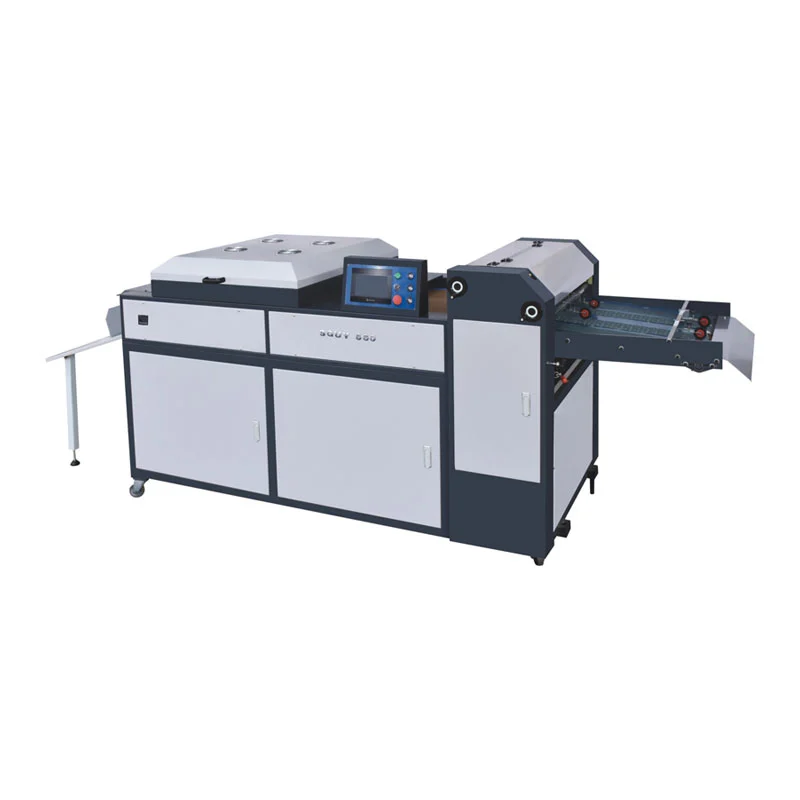
Even the right manual coating machine performs best when the workflow around it is well managed. A few practical habits can make a major difference in quality consistency, waste control, and customer satisfaction.
Many finishing issues are not caused by the machine alone. They come from unstable operating habits, coating mismatch, rushed setup, or poor post-process handling. A manual coating machine gives good control, but that control should be supported by consistent shop-floor discipline.
When managed correctly, this equipment can help a business raise finishing quality, expand service capability, and strengthen its reputation for dependable delivery.
Can a manual coating machine handle both protective and decorative finishing?
Yes. It is commonly used to improve both surface protection and visual appearance. Depending on the coating used, it can enhance gloss, smoothness, moisture resistance, and wear resistance at the same time.
Is a manual coating machine suitable for small businesses?
Absolutely. It is often a strong choice for small and medium-sized print shops because it offers finishing capability without the high investment burden of a fully automated production line.
What kinds of printed products can be processed?
Common applications include brochures, labels, advertisements, book covers, albums, and many paper-based packaging or promotional materials that need surface enhancement.
Does coating replace lamination?
Not always. Coating and lamination serve different finishing goals. In some jobs, coating is the better option because it provides a polished surface and protective layer without using film. In other jobs, lamination may still be preferred. The right choice depends on the product and expected result.
What should I prepare before choosing a machine model?
Prepare details about your paper weights, sheet sizes, coating types, order volumes, and the final effect you want to achieve. These factors help narrow down the most suitable solution.
Can operator skill affect the final coating result?
Yes. Since the process is more hands-on than a fully automatic system, operator training and routine setup control have a direct effect on consistency and finish quality.
If your business needs a more flexible way to improve print finishing quality, reduce outsourcing dependence, and add value to coated products, a manual coating machine deserves serious consideration. It offers a practical balance of function, control, and affordability for workshops that want stronger finishing capability without unnecessary complexity.
Choosing the right solution starts with understanding your products, production habits, and customer expectations. Once those are clear, the right machine becomes much easier to identify.
Looking for a reliable finishing solution for brochures, labels, covers, packaging sheets, or custom print jobs? Wenzhou Feihua Printing Machinery Co., Ltd. is ready to help you evaluate the right manual coating machine for your actual production needs. If you want machine details, application advice, or a tailored recommendation based on your materials and order volume, contact us today and let us help you move your print finishing business forward with confidence.