Language

BOPP Film (biaxially oriented polypropylene film) shows up everywhere—from snack packs and cosmetic wraps to pressure-sensitive labels and lamination structures. But “BOPP” on a spec sheet doesn’t automatically mean your line will run smoothly, your ink will stick, or your rolls will arrive defect-free. This guide breaks down what buyers actually struggle with: choosing the right film type, preventing print and lamination failures, reducing waste from roll defects, and aligning film properties with real production conditions. Along the way, you’ll find a practical selection checklist, a troubleshooting table, and an FAQ designed to help you buy with confidence and reduce costly surprises.
Most buyers don’t wake up thinking, “I want BOPP.” They want outcomes: fewer rejects, cleaner prints, stable lamination, easier slitting, and fewer customer complaints. Here are the pain points that tend to repeat across industries:
The right approach is to link each pain point to a measurable property—then validate those properties through trials and incoming checks.
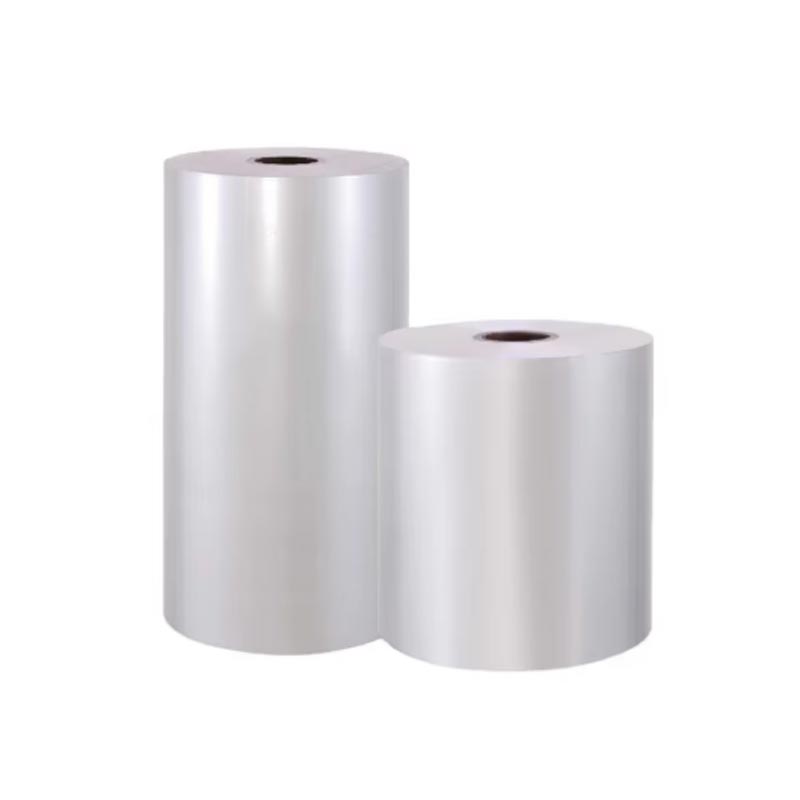
BOPP Film is polypropylene film stretched in both machine and transverse directions. That orientation improves clarity, stiffness, and mechanical stability, making it a popular choice for packaging and labeling structures. But it also means you must pay attention to surface treatment, friction, and thickness control—because orientation alone won’t guarantee printability or trouble-free converting.
BOPP Film is not a single product—think of it as a family. Picking the wrong “family member” is the fastest route to complaints and rework. Below is a practical map you can use when discussing options with suppliers.
| Application goal | Common BOPP Film choice | Key buyer focus | Typical risk if mis-specified |
|---|---|---|---|
| High-impact labels | Clear or white label-grade BOPP | Surface treatment, stiffness, die-cutting behavior | Ink rub-off, label lifting, die-cut edge tearing |
| Premium packaging look | Clear glossy BOPP | Haze, gloss, anti-scratch needs | Scuffs, dull appearance, visible defects |
| Matte “soft touch” effect | Matte BOPP | Rub resistance, fingerprint control | Marking, uneven matte texture, poor lamination |
| Lamination structures | Lamination-grade BOPP (treated) | Adhesive compatibility, treatment stability | Delamination, bubbles, tunneling |
| Heat-sealable wraps | Heat sealable BOPP | Seal window, seal strength, curl | Leakers, weak seals, bag-making instability |
| High-speed converting | Controlled COF BOPP | COF range, blocking resistance, static control | Jams, blocking, dust attraction |
A film can look perfect on paper and still fail on a real line. These are the properties that most often decide whether your operation feels “smooth” or “chaotic.”
If you print, coat, or laminate BOPP Film, surface treatment is not optional. Ask for the treatment level and how long it remains effective under normal storage. Treatment that drops off too quickly can turn a good sample into a bad bulk shipment.
COF affects web transport, unwind behavior, and stacking. Too high, and your film may drag, wrinkle, or tear. Too low, and you risk blocking, slipping, or poor registration. If you run high-speed equipment, specify a COF range—not a vague “good slip.”
Average thickness is not enough. What matters is thickness consistency across the web and between rolls. Poor gauge profile often shows up as wrinkles, unstable tension, and slitting variation.
For packaging and labels, appearance sells. Clarify whether you need higher gloss, lower haze, or special matte texture. Also discuss “acceptable defect” definitions early—otherwise you may argue later about what counts as a defect.
Static attracts dust, and dust becomes print defects. If your environment is dry or your speeds are high, request antistatic options and confirm handling practices to keep rolls clean.
If you want faster, more accurate quotes—and fewer misunderstandings—send your supplier a checklist like this. It forces clarity early, which protects your schedule later.
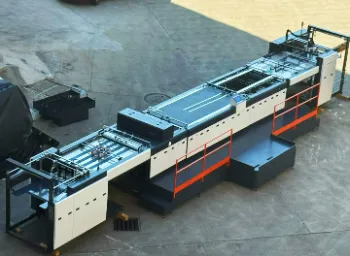
At Wenzhou Feihua Printing Machinery Co., Ltd., we see a common pattern: buyers choose a film based on a “standard spec,” then discover it doesn’t match the real behavior of their printing or converting line. A checklist like the one above prevents that mismatch by aligning film properties with actual production conditions.
A structured evaluation plan saves money, even when you’re confident. Here’s a simple method used by many experienced teams:
When something goes wrong, teams often blame “film quality” first. Sometimes that’s correct—but often the root cause is a mismatch between film type, surface condition, and process settings. Use this table to narrow the cause quickly.
| Problem on the line | Likely cause | Practical fix |
|---|---|---|
| Ink scratches or flakes | Low or unstable surface treatment, ink mismatch, insufficient drying | Confirm treated side, verify treatment level, optimize drying and ink system |
| Delamination or bubbles | Wrong film grade for lamination, adhesive mismatch, trapped solvent or air | Use lamination-grade treated film, adjust coat weight, improve nip and curing control |
| Wrinkles during printing | Poor gauge profile, incorrect tension, COF mismatch | Check thickness consistency, stabilize tension zones, confirm COF range |
| Blocking at unwind | COF too low, storage heat pressure, inadequate anti-block | Specify controlled COF, adjust storage conditions, consider anti-block option |
| Static and dust defects | Dry environment, high speed, insufficient antistatic performance | Add static control, improve grounding, keep rolls sealed and clean |
| Seal failures | Non-heat-sealable grade, wrong seal window, contamination | Confirm heat sealable BOPP, optimize temperature and dwell, improve cleanliness |
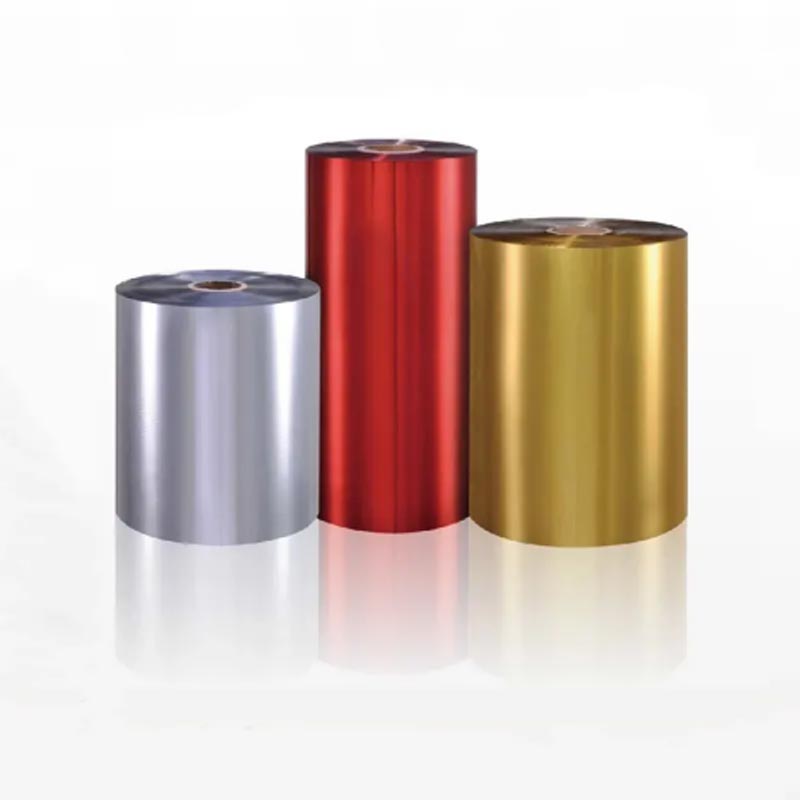
Even excellent BOPP Film can fail if it’s stored or handled poorly. A few simple discipline points can protect your rolls and your results:
If you’re running printing and converting equipment, film performance is never isolated—it’s a system. Film choice, storage, operator habits, and machine stability all work together. When those elements align, waste drops fast.
Ask the supplier to mark treated side clearly on roll labels and provide a consistent winding standard. For printing and lamination, treated-side consistency matters as much as treatment level itself.
Not always. Thicker film can improve stiffness, but it also changes cost, roll diameter, and sometimes curl behavior. Choose thickness based on application needs, machine limits, and the balance of stiffness versus flexibility.
Common reasons include treatment decay due to storage time, roll-to-roll variation, different production lots, or different shipping and storage conditions. That’s why defining storage rules and running incoming checks is so valuable.
Focus on gauge tolerance, thickness profile consistency, appropriate COF range, and stable winding quality. Also confirm your tension zones and roller condition during trials.
Many BOPP Film structures are used in food-related packaging, but requirements vary by country and product. If food contact is part of your application, request the appropriate compliance documentation and confirm any migration or regulatory needs with your supplier.
Specify controlled COF with anti-block support, avoid excessive heat and pressure during storage, and keep inventory rotation disciplined. Blocking is often a combined effect of formulation and storage conditions.
If you want your BOPP Film purchase to feel predictable—not like a gamble—treat it like an engineering decision, not a commodity buy. Define the application, lock the critical properties, run a disciplined trial, and demand roll-to-roll consistency. That’s how you turn packaging materials into a stable, scalable production process.
At Wenzhou Feihua Printing Machinery Co., Ltd., we work with customers who care about real-world results: stable printing, smooth converting, and fewer headaches across the line. If you’re planning a new project, replacing a current film, or troubleshooting a chronic issue, contact us and tell us what your line is struggling with—we’ll help you narrow the right film direction and the practical parameters to test.