Language

If your paper tube production is fighting the same three enemies—inconsistent quality, high scrap, and slow output—the root cause is often not your paper or glue. It’s the stability of forming, cutting, and curing under real-world conditions: paper variability, humidity shifts, operator differences, and frequent size changeovers.
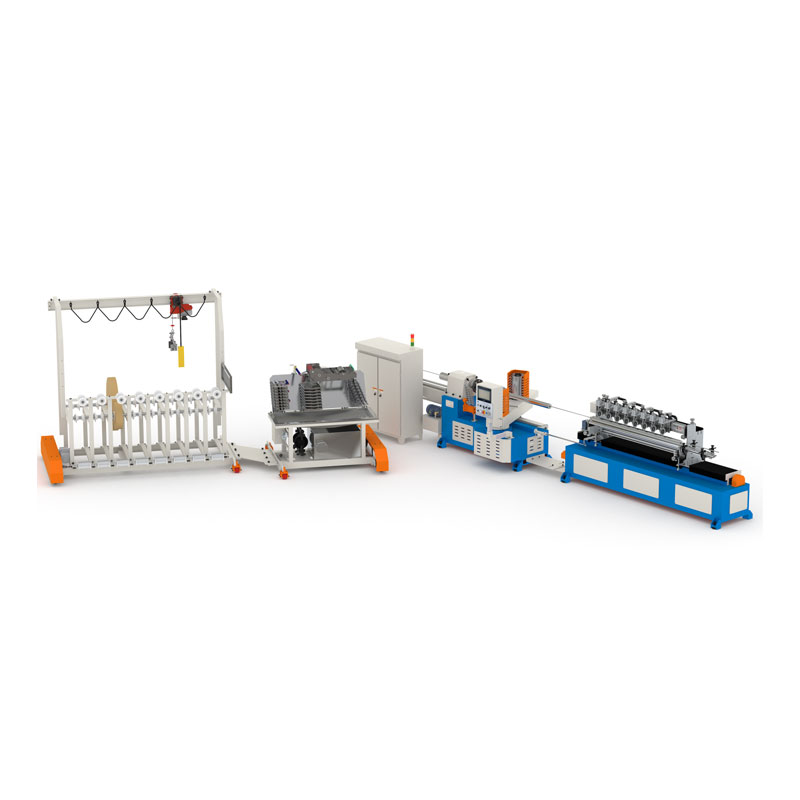
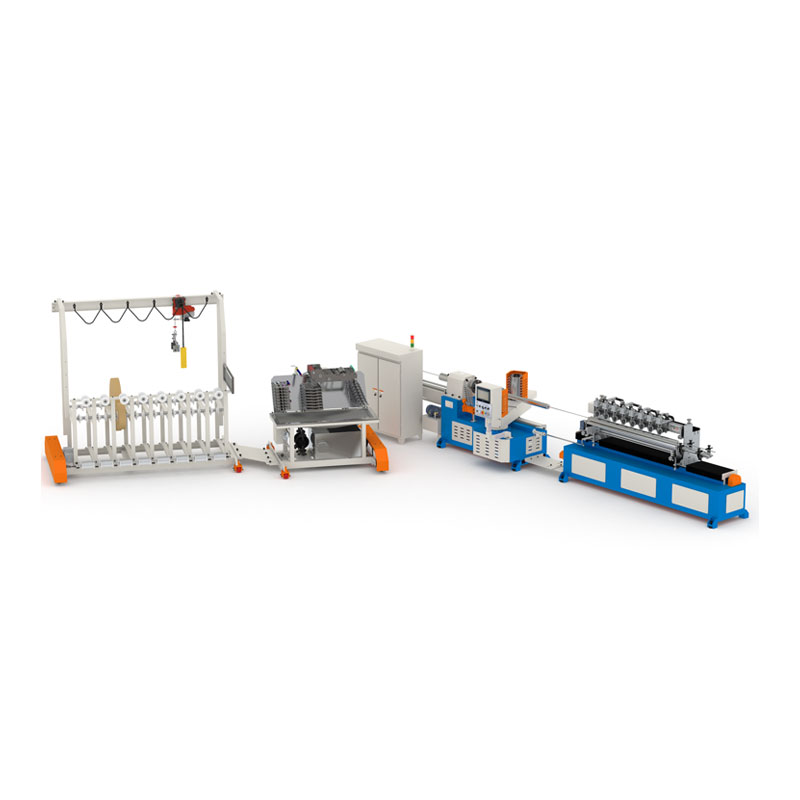
This guide breaks down how a modern Paper Tube Machine addresses those pain points with more repeatable winding tension, cleaner glue application, steadier cutting, and easier changeover routines. You’ll also get a practical selection checklist, a production-startup plan, a quality-control table, and an FAQ—so you can make a confident decision that holds up after installation, not just in a brochure.
Buyers rarely wake up and say, “I want a new machine.” They say: “I want fewer returns, less scrap, and stable delivery dates.” In paper tube manufacturing, the pain points tend to show up in predictable ways:
A dependable Paper Tube Machine is less about “maximum speed” and more about controlled consistency—the kind that stays stable when paper moisture changes, when you switch suppliers, or when a new operator takes over.

Paper tubes look simple. The process isn’t. Quality is built by controlling small variables that compound across layers of paper:
When evaluating equipment, ask yourself a blunt question: Does the machine help me control these variables daily, or does it leave them to the operator? The best-performing production lines don’t rely on heroic operators—they rely on repeatable settings.
Here are practical machine-related improvements that directly target the complaints customers actually file:
Manufacturers like Wenzhou Feihua Printing Machinery Co.,Ltd. typically see buyers prioritize these levers because they connect directly to profitability. Faster output is great, but stable output is what protects your customer relationships.
Let’s talk about the part most quotations don’t highlight: the hidden cost of downtime. Your true capacity is not the top speed on paper—it’s what you can deliver week after week.
Where production time disappears:
If your business does many SKUs (different tube diameters/lengths/wall thicknesses), prioritize equipment and workflows that simplify changeovers:
Buying the wrong machine is rarely about “bad quality.” It’s about mismatch: the machine is fine, but not fine for your products, your order pattern, or your labor reality. Use this checklist to make the choice less emotional and more profitable.
1) Start with your product requirements (not the machine model):
2) Map your order pattern:
3) Evaluate operation and maintenance reality:
4) Consider the “total stability package,” not just speed:
If you want a practical next step, request a discussion around your actual tube specs and production goals. Wenzhou Feihua Printing Machinery Co.,Ltd. can typically advise which configuration of Paper Tube Machine aligns with your material and output needs—without you guessing from photos.
A machine upgrade helps, but stable quality requires a simple daily routine your team can follow. Here’s a practical checklist you can print and keep near the line.
| Checkpoint | What to Look For | Likely Cause | Quick Correction |
|---|---|---|---|
| Wall thickness consistency | Variation across the tube or between pieces | Tension drift, paper tracking issues | Verify tension setting, align paper feed path |
| Delamination | Layers peeling after cutting or during handling | Insufficient or inconsistent adhesive, curing instability | Check glue application consistency, review drying/curing conditions |
| Ovality | Tube not round; fit issues with caps or shafts | Mandrel/forming stability, uneven pressure | Inspect forming alignment, confirm stable winding conditions |
| Edge quality | Fuzzy edges, burrs, tearing | Dull blade, cutting misalignment, glue buildup near cutter | Replace/maintain blade, clean cutting zone, re-check cut timing |
| Length repeatability | Out-of-spec lengths across a batch | Cut timing inconsistency, measurement drift | Calibrate length setting, confirm steady cutting operation |

Many installations fail to hit expected results because the buyer treats commissioning like a single event. Treat it like a short project with clear steps:
With a well-matched Paper Tube Machine and a simple production discipline, most workshops see the biggest gains in the places that matter: fewer complaints, lower scrap, and more predictable delivery.
Q: What problems does a Paper Tube Machine solve first—speed or quality?
In most factories, the first real improvement is repeatable quality. Once scrap and rework drop, your usable output increases—even if the line speed doesn’t change dramatically.
Q: Why do we get delamination even when we use “good glue”?
Delamination is usually caused by inconsistent glue application, paper moisture variation, or unstable forming conditions. Even excellent adhesive can fail if application and curing are not consistent.
Q: We run many sizes. What should we prioritize when selecting equipment?
Prioritize changeover efficiency and setting repeatability. If your production is SKU-heavy, downtime and trial waste can cost more than the machine itself over time.
Q: How do we reduce fuzzy edges and rough cuts?
Focus on blade condition, cutting alignment, and keeping the cutting zone clean from adhesive buildup. A simple blade replacement routine often outperforms “adjusting harder.”
Q: What should we prepare before contacting a supplier?
Prepare your tube inner diameter range, typical wall thickness, length range, paper types, target output, and your biggest defect complaints. With that, a supplier such as Wenzhou Feihua Printing Machinery Co.,Ltd. can recommend a configuration that fits your real production instead of guessing.
The fastest way to waste money is to buy a machine for its top speed and then spend the next year fighting scrap, inconsistent tube strength, and painful changeovers. The smarter approach is to choose a Paper Tube Machine that makes your process stable: consistent winding, controlled glue application, reliable cutting, and repeatable setup.
If you want help matching your tube requirements to the right configuration, reach out to Wenzhou Feihua Printing Machinery Co.,Ltd.—tell us your tube specs and daily output goals, and we’ll suggest a practical solution you can run confidently. Ready to move from “good enough” to “consistently ship-ready”? Contact us to discuss your project.