Language

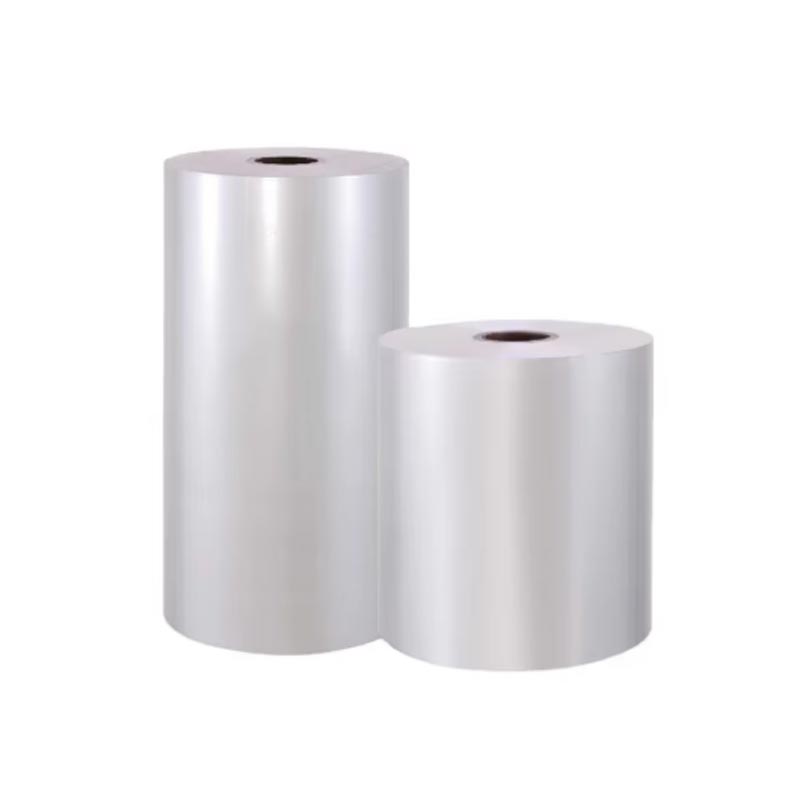
If you’ve ever dealt with blurry graphics, curling labels, seal failures, or film that behaves perfectly in the lab but turns into chaos on a high-speed line, you already know the hidden “pain costs” of flexible packaging. BOPP Film (biaxially oriented polypropylene film) is widely chosen because it balances clarity, stiffness, moisture resistance, and stable web handling—yet the real win comes from selecting the right grade and converting it correctly.
This guide breaks down practical choices (types, treatments, thickness ranges, and finishes), common converting issues (static, blocking, poor ink adhesion), and quality checks you can request before you commit to volume. You’ll also get a troubleshooting table and a buyer-friendly checklist designed to reduce downtime and rework.
BOPP Film is made by stretching polypropylene in two directions, which “locks in” higher stiffness and improved clarity compared with non-oriented films. For many buyers, it becomes a practical baseline because it performs well across three priorities that often fight each other: appearance, protection, and runability.
Customer pain it reduces:
Where it wins:
Practical tip: define the top two “non-negotiables” (for example, seal integrity + high-gloss finish). Then choose the film grade and surface treatment that supports those two first, instead of trying to optimize everything at once.
“BOPP Film” isn’t a single product. The grade you choose affects sealing, feel, print adhesion, and whether your rolls behave nicely during slitting and rewinding. Below is a buyer-focused map of common options and the problems they solve.
| Type | What it’s good at | Typical pain points it helps avoid | Watch-outs |
|---|---|---|---|
| Clear (plain) BOPP | High clarity, stiffness, smooth web handling, overwrap, lamination base | Cloudy look, weak shelf impact, feeding issues from floppy films | May need surface treatment for printing/lamination |
| Heat-sealable BOPP | Better sealing through a sealant layer/coating | Seal leaks, seal contamination sensitivity, slower lines due to narrow sealing windows | Confirm sealing curve and COF for your machine |
| Matte BOPP | Premium tactile finish, reduced glare, upscale branding | “Too shiny” packs, fingerprint visibility, uneven reflection under store lights | Matte surfaces can be more sensitive to scuffing |
| Pearlized / cavitated BOPP | Opaque look, softer touch, improved insulation feel | See-through packs where you need coverage, inconsistent background color | Check stiffness/tear behavior if high-speed converting |
| Metallized BOPP | Enhanced barrier and strong shelf presence | Short shelf-life from oxygen/moisture ingress, dull “flat” packaging | Pinholes, handling scratches, and barrier variability need monitoring |
| Specialty coatings | Anti-fog, low-static, improved ink anchorage, improved slip | Foggy produce packs, static dust attraction, ink rub-off | Coatings can change over time; confirm storage conditions |
If your product has strong aroma, oil content, or needs long shelf-life, the “best” BOPP Film is often not the thickest one. It’s the one that fits a smart structure—sometimes paired with a barrier layer, metallization, or a compatible coating—so you get protection without wasting material.
Many BOPP Film complaints aren’t actually material failures—they’re interface failures: the film, ink, adhesive, and machine settings don’t agree with each other. If you want reliable output, align the film grade with your printing and converting workflow.
Key checks before you run production:
If you run flexographic or gravure printing, confirm ink compatibility and rub resistance expectations early. For laminated structures, adhesive selection matters just as much—especially for high-speed lamination where incomplete curing can lead to odor, delamination, or blocking. When in doubt, ask for a small trial roll and run it under real line speed, real drying settings, and real storage time.
The easiest way to lose money with BOPP Film is to approve a sample that looks great, then discover variability at scale: roll-to-roll differences, COF swings, or treatment inconsistency. A simple quality checklist can prevent most of the painful surprises.
Ask for these data points on each batch:
On-line checks your operators can do fast:
If your packaging is premium or export-sensitive (food, personal care, or regulated categories), also align on documentation expectations: batch consistency records, compliance statements, and traceability practices. The goal isn’t paperwork—it’s risk control when something goes wrong.
Here’s a practical “symptom → cause → fix” table you can share with production teams. It’s intentionally written for fast action, not theory.
| Symptom on the line | Likely cause | Quick fixes to test |
|---|---|---|
| Ink rub-off / poor adhesion | Low/aged treatment, wrong ink system, insufficient drying/cure | Verify treated side, increase drying/cure, confirm ink compatibility, avoid contaminated storage |
| Wrinkles and web wandering | Unstable tension, misaligned rollers, uneven winding | Re-balance tension zones, check alignment, reduce acceleration spikes, review roll hardness |
| Blocking (layers sticking) | High temperature storage, insufficient slip, incomplete adhesive cure | Improve cooling/curing time, adjust storage conditions, review COF targets |
| Seal leaks / seal inconsistency | Wrong heat-seal grade, narrow sealing window, contamination, worn sealing jaws | Confirm seal curve, adjust dwell/time/pressure, clean jaws, trial alternate sealant layer |
| Static and dust attraction | Dry environment, insufficient ionization, poor grounding | Add/position ionizers, improve grounding, maintain humidity where possible |
| Haze / dull appearance | Wrong finish, scuffing, micro-scratches, coating mismatch | Switch to higher-gloss grade, add protective overprint varnish, reduce abrasive contact points |
Many brands are moving toward simpler structures that keep materials compatible. BOPP Film can support that shift because polypropylene-based structures can be engineered to reduce mixed-material complexity while still meeting performance targets.
Ways buyers reduce total cost and waste with BOPP Film:
If sustainability requirements are part of your procurement, don’t treat it as a “material-only” decision. Line settings, lamination choices, and curing control all change scrap rate—often dramatically.
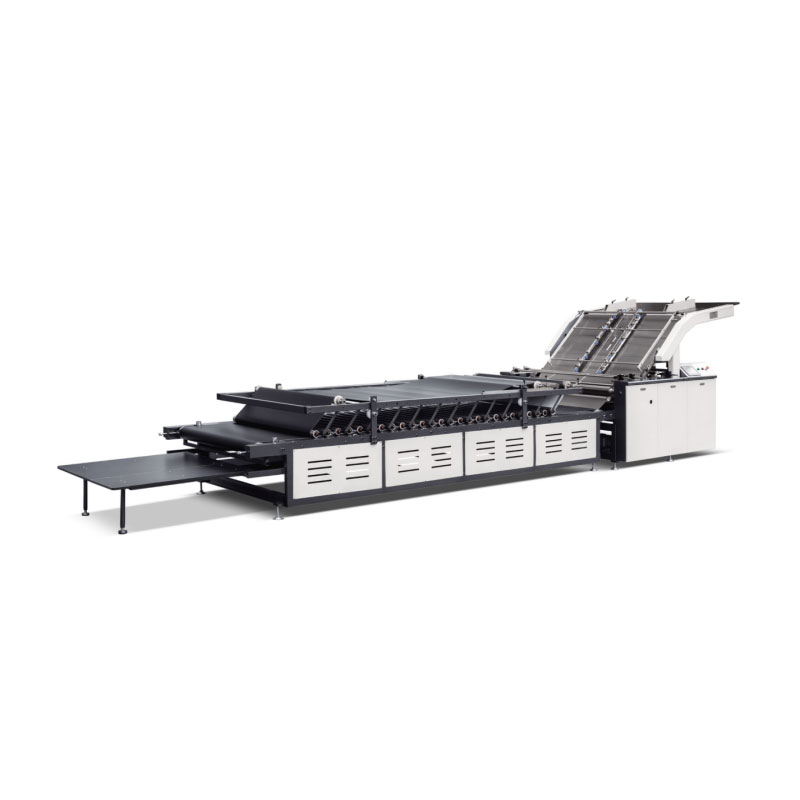
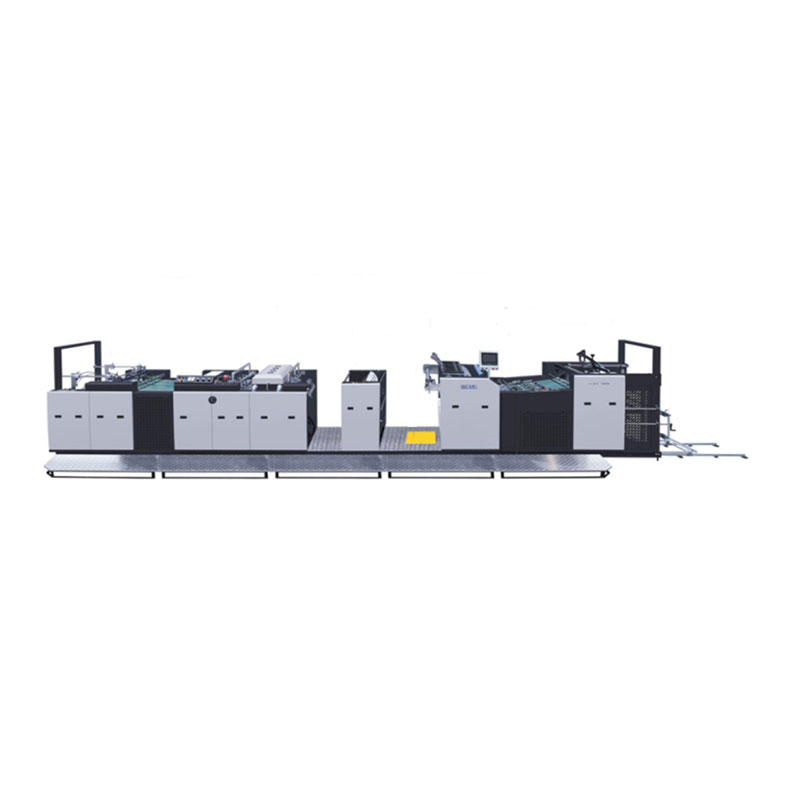
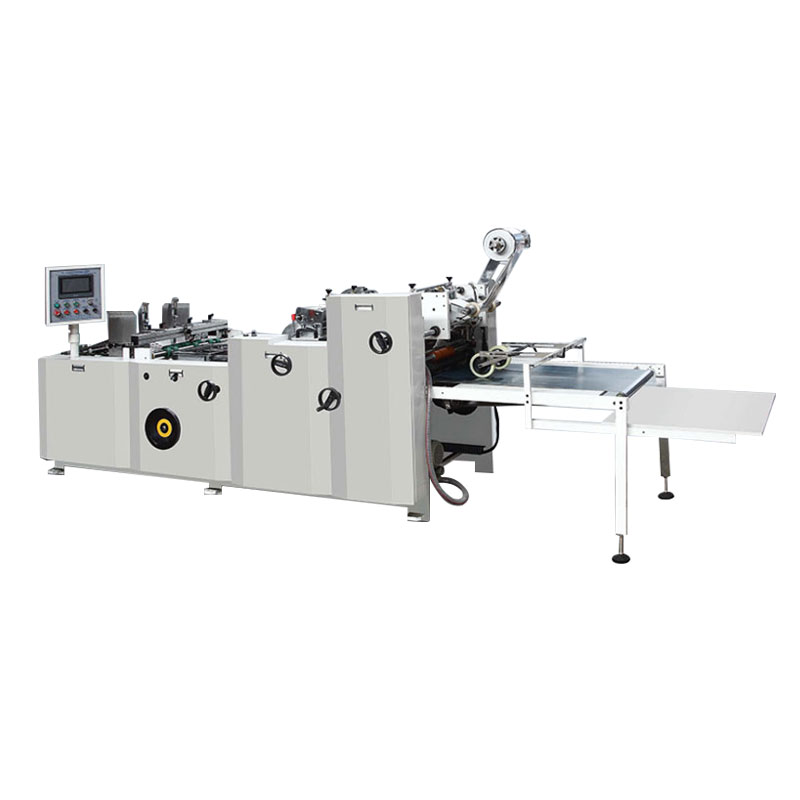
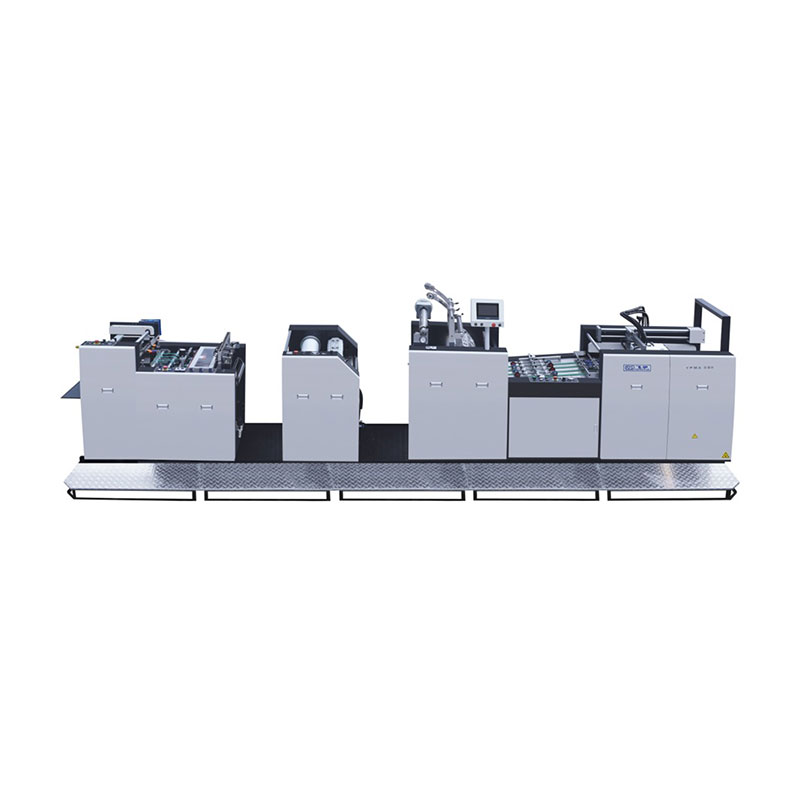
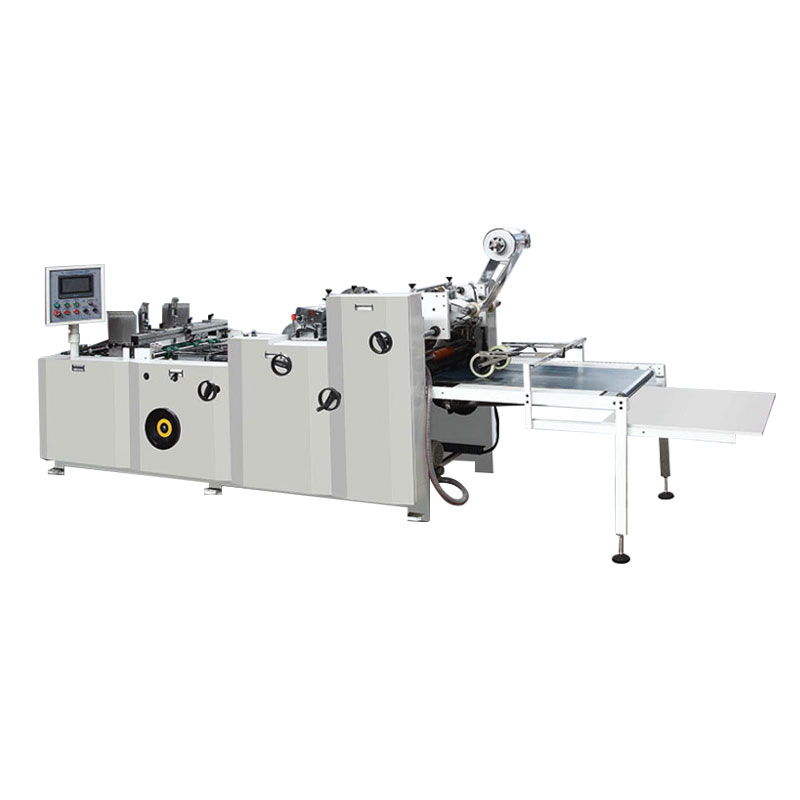
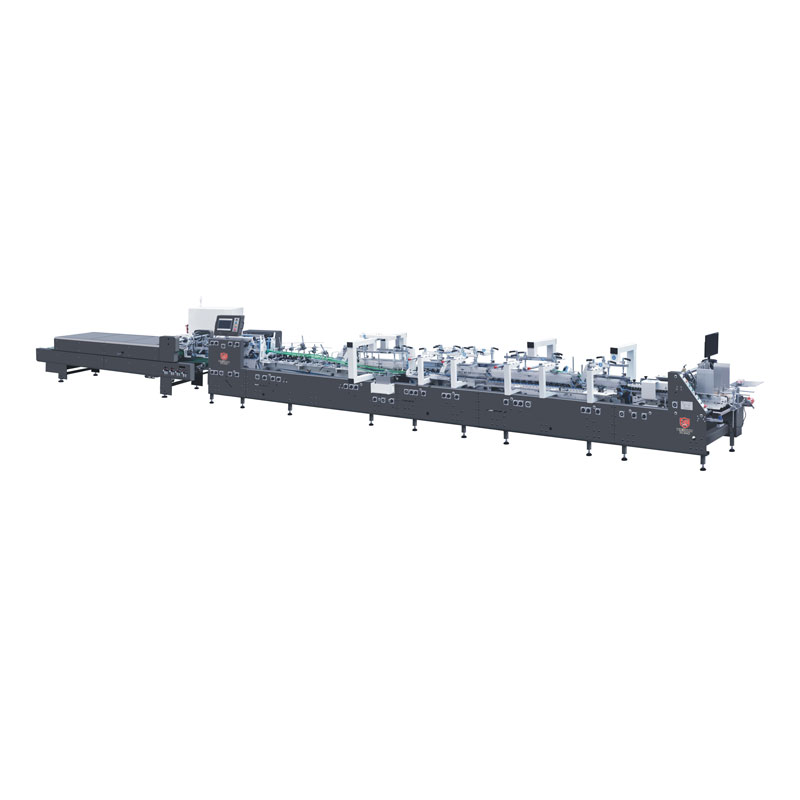
Even a high-quality BOPP Film can underperform if converting isn’t dialed in. This is where experienced equipment support becomes a competitive advantage: stable tension control, accurate registration, consistent drying, and clean slitting can turn “acceptable” film into “predictable” production.
Wenzhou Feihua Printing Machinery Co., Ltd. works with BOPP Film applications where printing and converting stability directly affects output: minimizing wrinkles and web breaks, improving print consistency, and supporting smoother lamination and rewinding results. If your team is battling chronic defects, it often helps to treat film + process + equipment as one system instead of three separate problems.
BOPP Film succeeds when you treat it as a performance tool, not just a commodity. Define the product risks you can’t accept, choose the grade that prevents those risks, and validate the film under real line conditions. Do that, and you’ll spend less time firefighting and more time shipping consistent, retail-ready packaging.
If you want help matching a BOPP Film application to stable printing and converting results, reach out to Wenzhou Feihua Printing Machinery Co., Ltd.—tell your team’s current issues (wrinkles, blocking, rub-off, seal failures), and we’ll help you map a practical path to cleaner runs and fewer rejects. When you’re ready, contact us to start your trial plan.