News

How Can a Paper Tube Machine Reduce Waste and Boost Tube Quality?

2026-01-14 0 Leave me a message

Article Abstract

If you’ve ever dealt with tubes that crush during shipping, inconsistent inner diameters that don’t fit customer cores, or production lines that stop every time you change a size, you already know the real “cost” of paper tubes isn’t only material—it’s rework, downtime, and unhappy buyers. This guide breaks down what a Paper Tube Machine should do to solve those pain points: stable winding, repeatable cutting, clean glue control, fast changeovers, and reliable safety. You’ll also find a practical checklist, a comparison table of common tube-making approaches, and an FAQ to help you choose (or upgrade) the right setup for your product and volume.

Contents

Outline

1 Diagnose where your losses come from (scrap, stoppages, customer returns).
2 Match the machine approach to your tube application (packaging, textile, film, construction, paper cores).
3 Lock the specs that protect consistency (ID tolerance, glue stability, cutting accuracy, changeover time).
4 Build a simple QC loop (sampling, compression testing, visual checks) that doesn’t choke throughput.
5 Choose a supplier that supports commissioning, spares, and operator training.

The Most Common Tube Production Pain Points

Buyers rarely complain about “paper tubes” in general—they complain about outcomes: dents, ovality, poor bonding, inconsistent length, messy glue, or tubes that don’t run smoothly on their equipment. Those issues usually trace back to a few repeatable problems in production.

  • Inconsistent inner diameter (ID): Causes fit problems for cores used in film, paper, textile winding, and packaging lines.
  • Weak bonding or delamination: Often tied to unstable glue dosing, uneven pressure, or incorrect drying/curing behavior.
  • Length variation and rough edges: Typically a cutting system problem—blade wear, alignment, or vibration.
  • High scrap and rework: Overlapping seams, glue streaking, crushed tubes, and wrong wall thickness add up fast.
  • Slow changeovers: If switching sizes takes too long, small-batch orders become unprofitable.
  • Downtime from jams or cleaning: Glue management and paper feeding stability are the usual culprits.
  • Operator dependence: A machine that “only one person can run” is a risk to your delivery schedule.

A capable Paper Tube Machine should be chosen and configured to eliminate these bottlenecks, not just to “make tubes.”

What a Paper Tube Machine Should Deliver

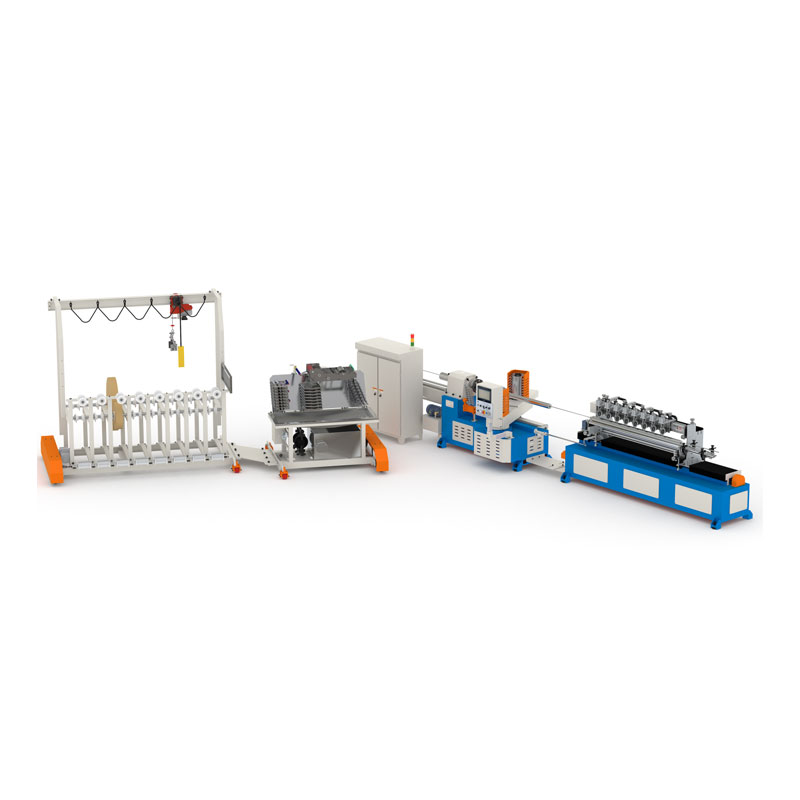
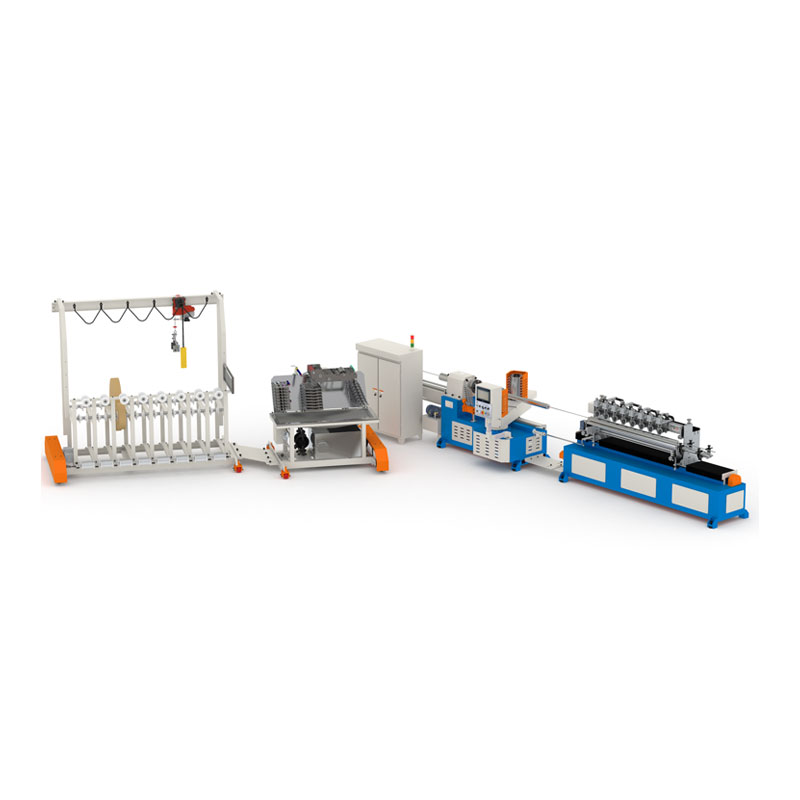
Paper Tube Machine

When you evaluate a machine, don’t start with top speed. Start with repeatability. Consistency is what protects margins because it reduces customer claims, keeps downstream packing smooth, and prevents hidden labor costs.

Focus on these outcomes:

  • Stable winding tension to prevent oval tubes and uneven wall thickness.
  • Uniform glue application for strong bonding without seepage and cleanup headaches.
  • Accurate cutting that maintains length tolerance and clean tube edges.
  • Fast size adjustments so you can take more orders without losing money on setup time.
  • Predictable operation with clear controls, alarms, and safe access points for maintenance.

Real-world reliability comes from the whole system: feeding, winding, gluing, cutting, and discharge. A “fast” machine that produces unstable tubes is slower than a stable machine at a lower speed.

Machine Types and When to Use Them

Paper tubes are used in packaging, tape cores, textile winding, film and paper rolls, construction forms, and protective sleeves. The right machine approach depends on tube diameter, wall thickness, and strength requirements.

Approach Best Fit Strength & Consistency Notes Typical Buyer Pain Point It Solves
Spiral Winding General-purpose tubes, many diameters, flexible production Good all-around strength; depends heavily on tension control and glue stability Reduces size-change friction and supports broader product ranges
Convolute Winding Higher precision ID/OD, often shorter tubes or special cores Can deliver tighter tolerances; needs stable paper quality and accurate rolling Improves fit for demanding winding and core applications
Multi-Knife / Servo Cutting Systems Operations requiring strict length tolerance or clean edges Consistent length and cleaner ends; reduces rework and customer complaints Stops “length drift” and rough edges that jam buyer equipment
Heavy-Duty Tube Lines Thick-wall, high compression strength, industrial uses Focuses on bonding strength and controlled pressure; often needs stronger drive systems Prevents crushing, deformation, and shipping damage for premium tubes

If your customer’s line is sensitive (high-speed winding or automated packaging), prioritize tolerance, edge quality, and tube roundness. If your customer cares about stacking and shipping durability, prioritize compression strength, bonding, and wall thickness control.

Key Specifications That Actually Matter

Specs are only useful when they connect to your product requirements. Below are the “decision specs” that map directly to fewer complaints and lower operating cost.

  • Tube diameter range and wall thickness range: Confirm the machine can hold stability across your largest and smallest SKUs.
  • ID tolerance and roundness control: Critical for cores used on winding shafts and automated lines.
  • Winding speed with stable tension: Ask how stability is maintained at your target speed (not just the maximum).
  • Glue system design: Look for consistent dosing, easy cleaning, and reduced clogging risk.
  • Cutting method and blade life: Cutting performance is often the difference between “sellable” and “rework.”
  • Changeover time: How long does it take to switch diameter, thickness, or length in real operation?
  • Operator interface and alarms: A clear system reduces dependence on “one expert operator.”
  • Safety and maintenance access: Easy access reduces downtime and makes your team more willing to maintain properly.

If you’re comparing quotes, ask each supplier to recommend settings and configurations for your exact tube application (paper grades, glue type, target compression strength, and tolerance). That conversation tells you more than any brochure.

A Practical Buying Workflow

Buying a Paper Tube Machine is easier when you treat it like a production system decision—not a single piece of equipment. Here’s a straightforward workflow that keeps you out of trouble.

  1. Define your “non-negotiables.”
    List tube ID/OD range, length range, wall thickness, and the strength/tolerance your customers demand.
  2. Map your losses.
    Identify whether scrap is driven by cutting, glue mess, roundness issues, or paper feeding. Your machine choice should attack the biggest cost center first.
  3. Plan for real materials.
    Share typical paper grades and glue types. A machine that performs well only on “perfect paper” won’t protect your schedule.
  4. Evaluate changeover and training.
    If you’re handling many tube specs, fast adjustment and operator-friendly controls are worth more than top speed.
  5. Lock after-sales and spares.
    Ask about recommended spare parts, remote troubleshooting, commissioning, and operator training resources.

If you want a simple rule: your best machine is the one that produces your required tube quality with the least operator effort, day after day.

Quality Control Without Slowing Production

Quality checks don’t have to be expensive. A few consistent checks can catch drift early—before you produce a full batch of unusable tubes.

Checkpoint What to Measure Why It Matters Quick Fix If It Drifts
Roundness ID/OD at multiple angles Prevents fit problems and jamming in buyer equipment Check tension, winding pressure, paper alignment
Bonding Visual seam checks + spot peel test Stops delamination and shipping failures Adjust glue dosing, pressure, and curing conditions
Length accuracy Sample every set interval Reduces customer sorting and returns Inspect cutting alignment, blade wear, vibration
Compression strength Batch sampling compression test Protects stacking, transport, and heavy-duty uses Review wall thickness, paper grade, bonding quality

Consistency wins repeat orders. A steady process also gives your sales team confidence to quote tighter tolerances and more demanding applications.

Maintenance and Operator-Friendly Design
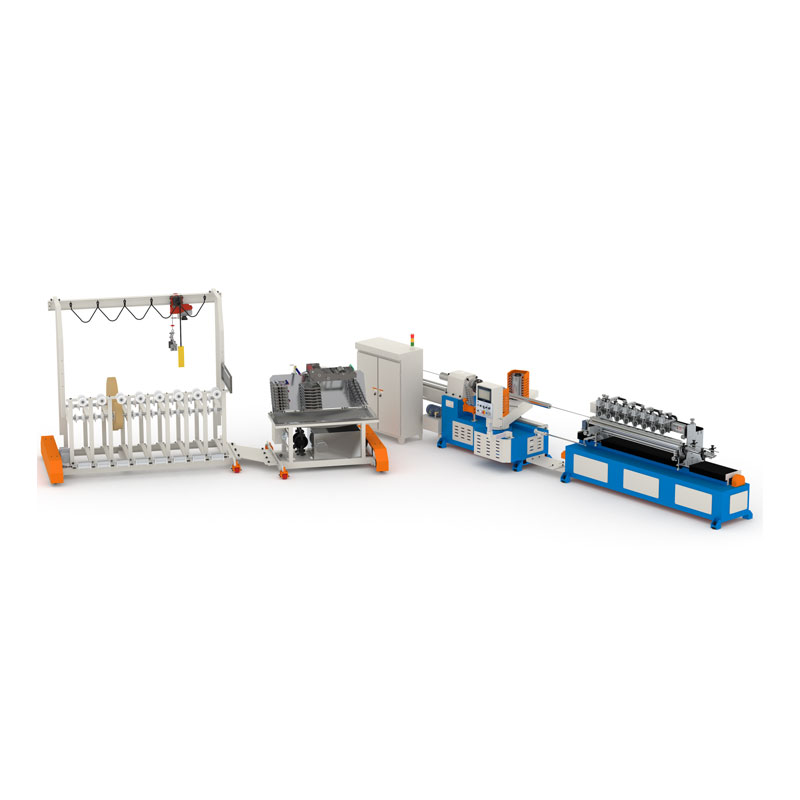
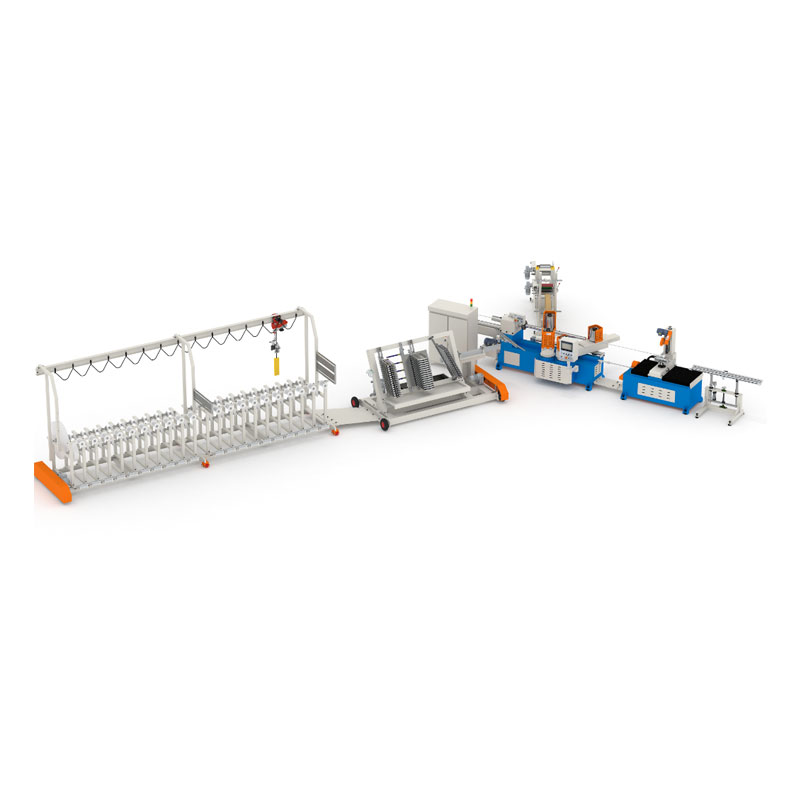
Paper Tube Machine

Many tube makers underestimate how much maintenance design affects profitability. If the glue system is hard to clean, operators delay cleaning. If blades are hard to replace, cutting quality quietly drops until customers complain.

  • Easy glue cleanup: Less buildup means fewer jams and fewer “mystery” quality issues.
  • Accessible cutting unit: Faster blade changes protect edge quality and length accuracy.
  • Clear adjustment points: Operators can correct drift without guesswork.
  • Reliable guarding and safe access: Safety isn’t just compliance—it prevents work stoppages and protects your team.
  • Documentation and training materials: Makes your operation resilient when staff changes.

A well-designed Paper Tube Machine keeps performance stable even when your best operator is on vacation—and that’s the real test.
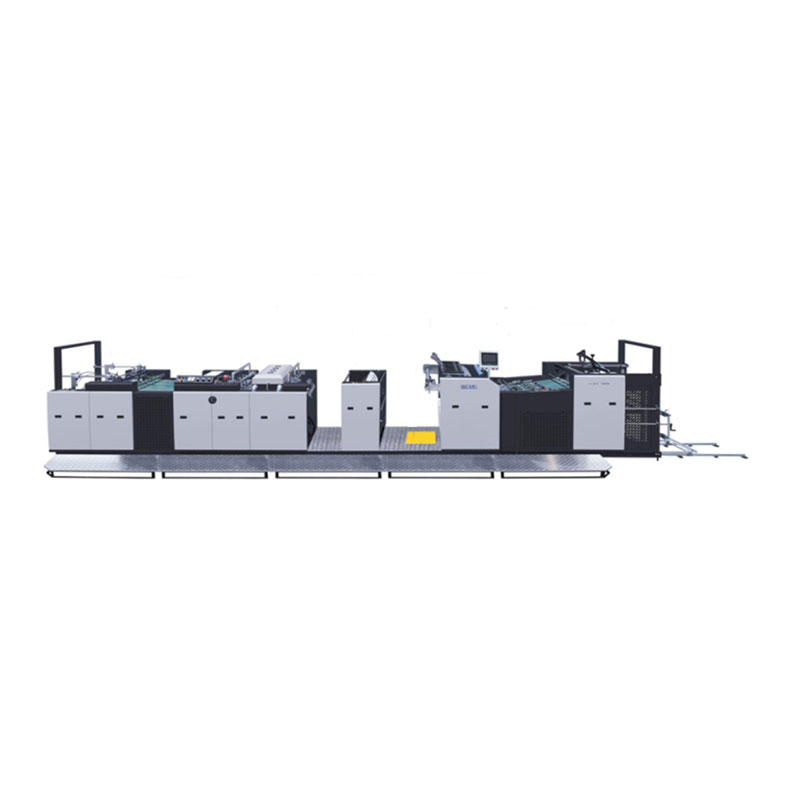
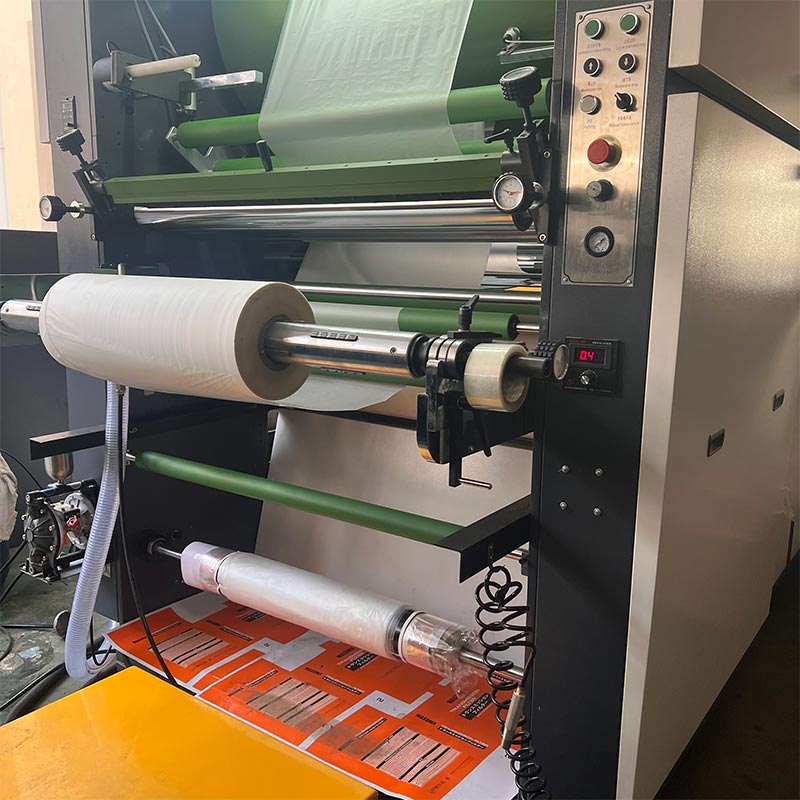
Working With the Right Manufacturer

Your supplier choice impacts more than the machine itself. It affects commissioning speed, ramp-up success, and how quickly you recover from unexpected downtime. When discussing solutions, share your product mix, target markets, and the pain points you’re trying to remove.

For businesses looking for a practical, production-focused approach, Wenzhou Feihua Printing Machinery Co., Ltd. is a name many buyers consider when evaluating paper converting and tube-making equipment. The most productive supplier relationships typically include:

  • Application matching: Recommendations based on your tube use case (core winding, protective packaging, heavy-duty tubes).
  • Commissioning support: Clear setup guidance to shorten your learning curve.
  • Spare parts planning: A basic spares kit that prevents small issues from becoming long shutdowns.
  • Operator training: A simple runbook that standardizes quality across shifts.

If you want to reduce risk, prioritize suppliers who can talk through your process in detail rather than only quoting a model number.

FAQ

Q: What makes one Paper Tube Machine more “stable” than another?
A: Stability usually comes from consistent paper feeding, controlled winding tension, reliable glue dosing, and a cutting system that stays accurate as blades wear. The goal is repeatability across long runs and multiple shifts—not just a high maximum speed.

Q: How do I reduce glue mess and frequent cleaning?
A: Start by checking glue viscosity control, dosing consistency, and whether the glue path is designed for easy flushing/cleanup. Many “mess” issues are caused by inconsistent application and paper alignment, not glue quality alone.

Q: Why do my tubes become oval even when the diameter setting looks correct?
A: Ovality often comes from tension imbalance, uneven pressure during winding, or paper feeding that drifts off-center. It can also show up when paper moisture varies. A machine with better control and adjustment access helps you correct this quickly.

Q: Is it better to buy a faster machine or a heavier-duty machine?
A: Choose based on your product requirements. If you sell premium cores with strict tolerance, prioritize precision and cutting quality. If you sell tubes that must resist crushing and stacking loads, prioritize compression strength and bonding control. A machine that produces sellable tubes consistently will outperform a faster machine that creates rework.

Q: What information should I prepare before asking for a quotation?
A: Provide tube ID/OD range, length range, target wall thickness, typical paper grades, glue type, expected daily output, and the most common defects you want to eliminate. This helps suppliers recommend the right configuration instead of guessing.

Next Steps

If you’re upgrading your line or starting a new tube production project, aim for a setup that protects consistency first: controlled winding, clean bonding, accurate cutting, and quick changeovers. That’s how you reduce scrap, stabilize delivery schedules, and win repeat orders.

Want a recommendation based on your tube size range, strength targets, and daily capacity? Put your requirements together and contact us—you’ll get a practical, production-minded suggestion instead of a generic model list.

Related News
Leave me a message
X
We use cookies to offer you a better browsing experience, analyze site traffic and personalize content. By using this site, you agree to our use of cookies. Privacy Policy
Reject Accept