Language

BOPP Film is everywhere in modern packaging and printed materials, yet it’s also a frequent source of costly headaches—wrinkling after lamination, hazy visuals, weak bonding, static that ruins runs, inconsistent roll quality, and surprise downtime on press or laminators. This guide breaks the topic down in a practical, buyer-friendly way: what BOPP Film is, what specifications actually matter, how to match the right film to your application, and how to verify performance before you commit to volume orders. You’ll also find a clear comparison table, a selection checklist you can copy into RFQs, and a FAQ section focused on the problems packaging teams and print shops face most often. If you’re sourcing reliably and want to reduce rework and customer complaints, this article is built for you.
Let’s be blunt: people don’t search for BOPP Film because they want “a film.” They search because something is going wrong—either on the line, on the shelf, or in the customer’s hands.
Here are the failure patterns that cost the most money:
If any of these sound familiar, the good news is that most problems aren’t “mysteries.” They usually trace back to a mismatch between film structure, surface treatment, adhesive compatibility, and process settings. BOPP Film can perform extremely well—but only when it’s selected and validated like a production material, not a catalog item.
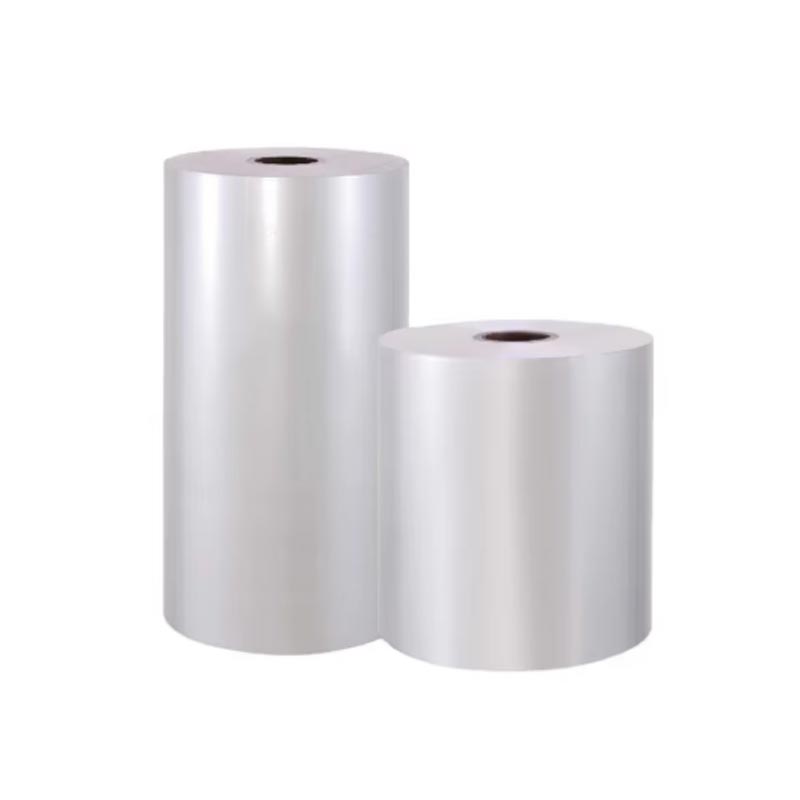
BOPP Film is polypropylene film that’s stretched in two directions during manufacturing. That orientation is why it can deliver a strong balance of clarity, stiffness, and durability while staying lightweight.
What buyers typically like about BOPP Film:
Where confusion starts: “BOPP Film” is a family name. The real performance depends on the specific grade (lamination vs. printing vs. packaging), surface treatment, thickness, and how it’s meant to bond.
If you want fewer defects and fewer “trial-and-error” runs, choose BOPP Film the same way you’d choose ink or adhesive: by matching the film to the job, then confirming it with a controlled sample test.
Step 1: Define the end use clearly
Step 2: Decide the surface finish customers will actually notice
Step 3: Confirm compatibility with your process
Step 4: Request a sampling plan, not just a quote
Many buyers get stuck comparing vague promises. Instead, compare BOPP Film using measurable parameters that directly affect output quality.
| What to Check | Why It Matters | Common Symptoms If It’s Wrong | What to Ask in an RFQ |
|---|---|---|---|
| Thickness and tolerance | Controls stiffness, feel, and processing stability | Wrinkles, uneven lamination, tension issues | Nominal thickness, tolerance range, how it’s measured |
| Surface treatment (e.g., corona) | Improves wetting and adhesion for inks/adhesives | Ink flaking, poor bonding, delamination | Treatment level target and how long it remains stable |
| Haze and gloss | Defines visual clarity and shelf impact | “Milky” look, dull colors, low premium feel | Target haze/gloss values and test method |
| Coefficient of friction (COF) | Affects feeding, stacking, and handling | Blocking, sticking, misfeeds, dust attraction | COF range and whether it’s optimized for your equipment |
| Winding quality | Determines runtime stability | Telescoping, edge waves, frequent stoppages | Core size, winding hardness, max splice policy |
| Heat behavior and dimensional stability | Reduces curl and post-lamination distortion | Curling, warping, edge lift after cooling | Recommended temperature window and storage guidance |
Buyer shortcut: If your biggest pain is rework after lamination, prioritize dimensional stability, winding quality, and bonding performance over “lowest price per kg.” The cheapest roll becomes the most expensive when it slows the line.
Even a good BOPP Film can fail if the process is fighting it. Use the checklist below to eliminate the most common root causes.
Printing stability checklist
Lamination failure prevention
Storage and handling rules that prevent “random” problems
Consistency is the hidden feature of BOPP Film. A supplier can ship a good first lot and still fail you later if process control is weak. Validation is how you protect your schedule and your reputation.
A practical validation plan you can run in-house
Acceptance criteria to include in purchasing documents
Packaging decisions now get evaluated beyond appearance and price. Many buyers also need reassurance on product safety, odor control, and responsible production practices.
What you can do without slowing procurement
In real factories, “sustainable” often starts with “predictable.” A stable BOPP Film that runs smoothly can cut waste more effectively than swapping materials without a process plan.
Many film-related problems show up only when the film meets real equipment. That’s why supplier support matters: sampling speed, technical communication, and the ability to repeat results across shipments.
At Wenzhou Feihua Printing Machinery Co., Ltd., teams supporting packaging and print production typically focus on the same three outcomes buyers care about:
If you already know your target specs, you’ll move fastest by sharing your substrate, press type, lamination method, thickness range, and finish preference. If you’re not sure, a short “problem description” (what failed, when it failed, under what settings) is usually enough to guide the first recommendation.
Q: What thickness of BOPP Film should I choose for lamination?
A: Start with the performance you need: stiffness, protection, and visual feel. Thicker films can reduce handling damage and improve “premium” feel, but they may also change curl behavior. The best approach is to test two or three thickness options under your actual laminator settings and evaluate curl, bond strength, and appearance after 24–72 hours.
Q: Why does my laminated sheet curl after it looks fine at the machine?
A: Curl often appears after cooling and conditioning. It can come from heat imbalance, tension mismatch, substrate moisture differences, or film dimensional behavior. Reduce extremes (too hot, too fast), confirm even pressure, and ensure storage conditions are stable. Also verify the film grade is intended for your lamination method.
Q: What causes delamination or edge lifting?
A: The most common causes are poor surface wetting (treatment mismatch), adhesive incompatibility, inadequate curing/drying, and contamination. Make sure the film’s surface treatment and your adhesive or thermal bonding layer are designed to work together, and test bonding after time—not only right after lamination.
Q: My print scuffs easily after lamination. Isn’t lamination supposed to protect it?
A: Lamination helps, but scuff can still occur if ink wasn’t fully cured, if the film surface is too slick for your handling conditions, or if the lamination structure isn’t matched to the abrasion level in shipping and retail. Ask for rub resistance guidance and run a simple handling simulation test.
Q: How do I reduce static problems when using BOPP Film?
A: Static is influenced by humidity, machine grounding, film formulation, and handling speed. Keep work areas controlled, ensure grounding is correct, and discuss anti-static requirements when sourcing. Also keep rolls sealed until use to reduce dust attraction.
Q: What should I include in an RFQ so I get the right BOPP Film the first time?
A: Include application (printing/lamination/packaging), finish (gloss/matte), thickness target, roll width/core size, press type, lamination method, and your biggest problem to solve (curl, haze, bonding, scuff). Add acceptance criteria like splice limits and tolerance expectations.
BOPP Film can be a high-performance, cost-effective material—when you treat it like a production-critical input. The smartest buyers don’t just compare prices; they compare stability, compatibility, and how quickly a film can be qualified without surprises. If your goal is fewer rejects, smoother runs, and more consistent shelf appearance, focus on the specs that drive real outcomes, validate with time-based testing, and work with a partner who can repeat results shipment after shipment.
Ready to reduce rework and lock in a dependable film spec? Share your application details and current pain points, and contact us to get practical recommendations and a fast sampling plan tailored to your printing or lamination process.