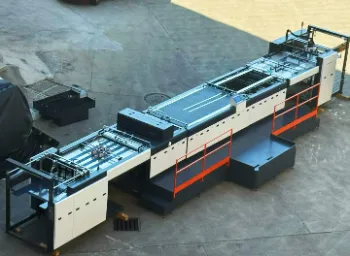
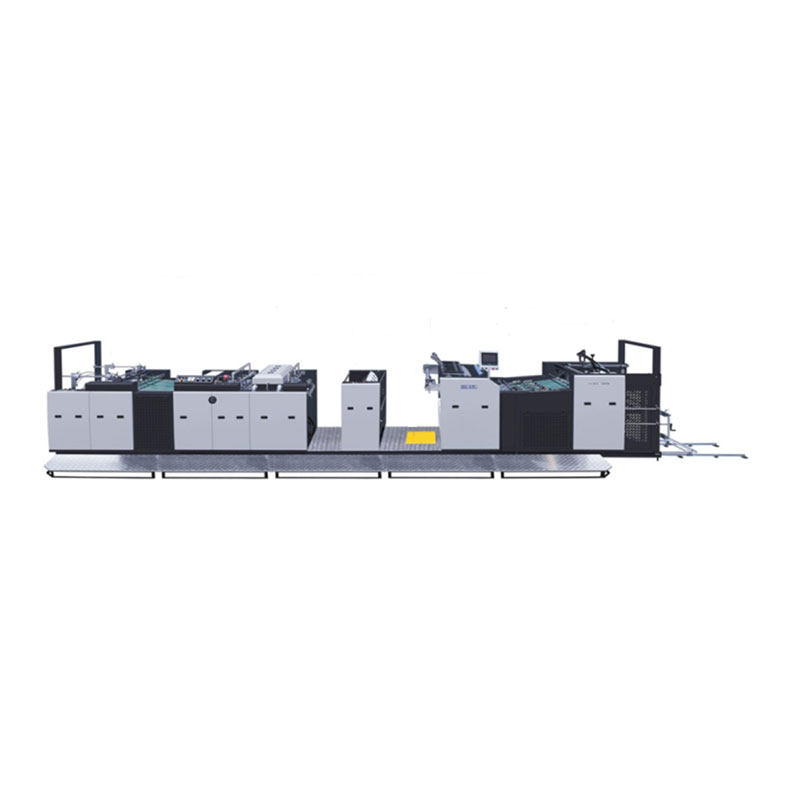
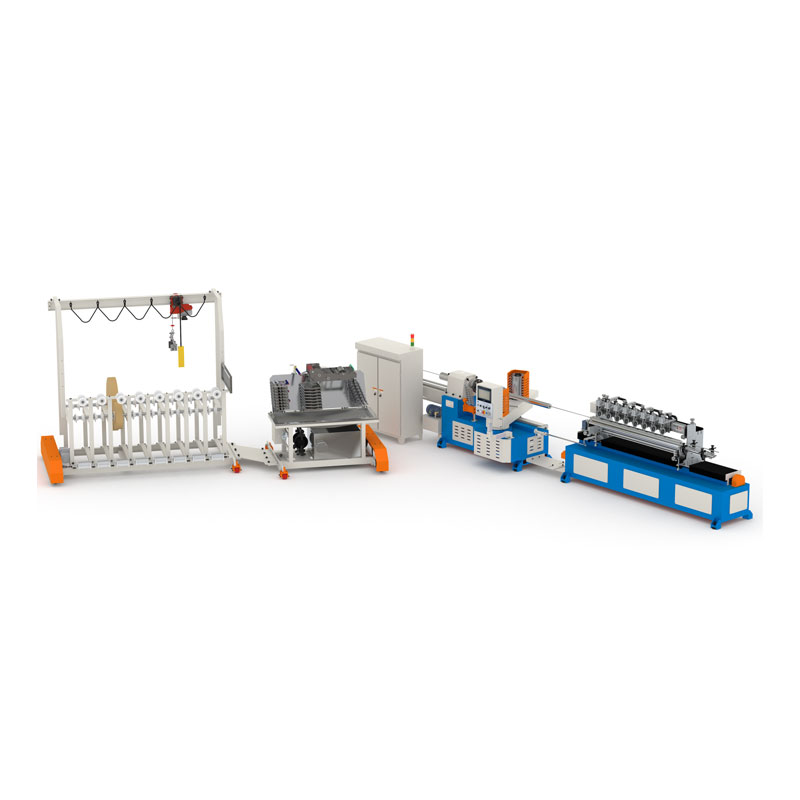
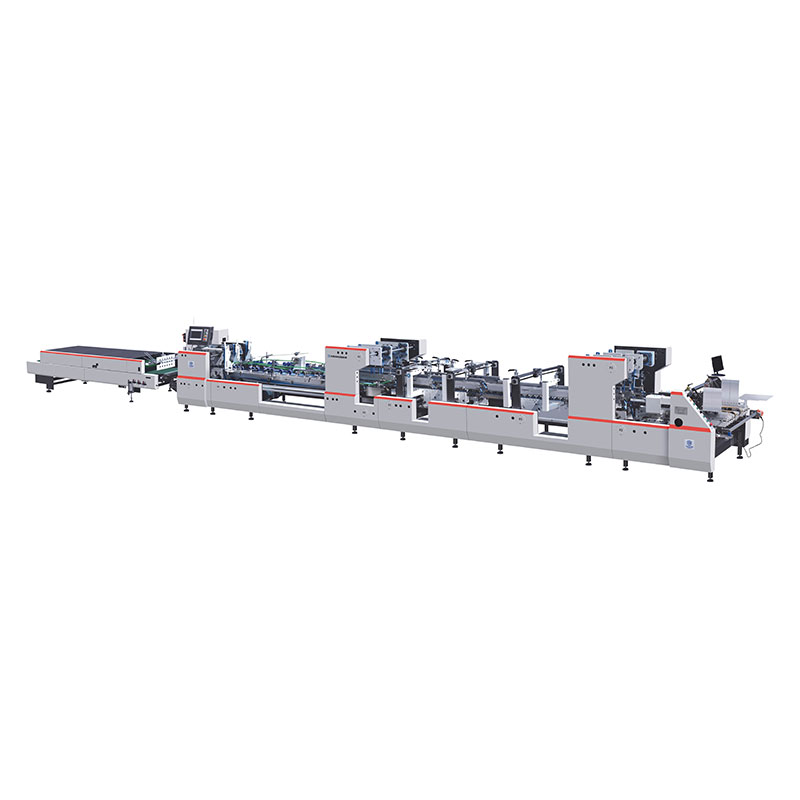
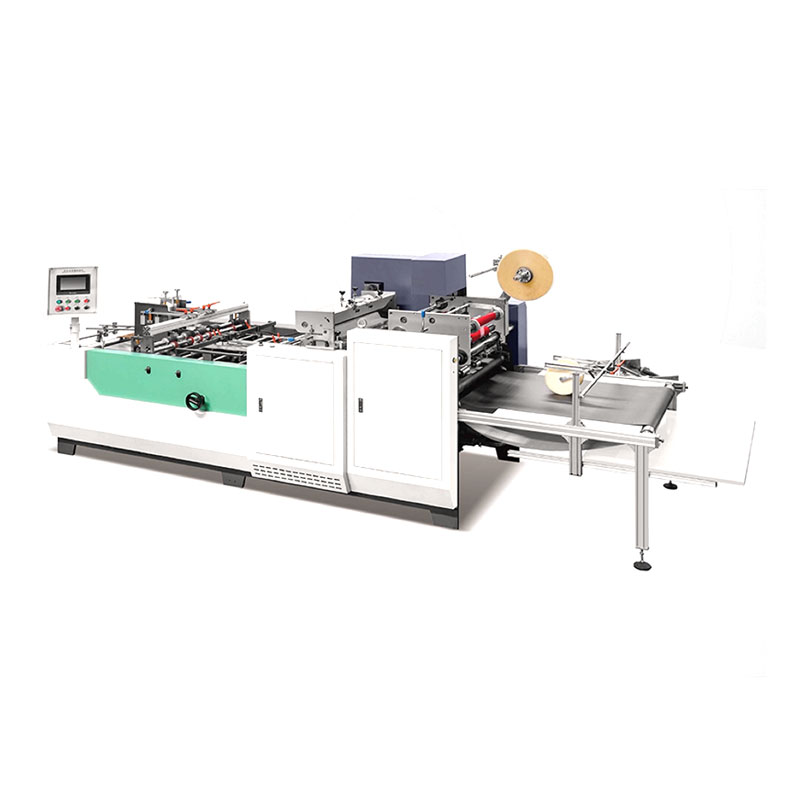
NEW STAR develops advanced post-press equipment for professional printing and packaging applications. The Automatic Inline Coating Machine is designed to apply UV oil, water-based oil, and blister varnish oil to printed paper, helping manufacturers improve surface brightness, moisture resistance, waterproof performance, and overall product quality while supporting continuous production.
An automatic inline coating system can make a significant difference when printing companies need consistent surface finishing, higher production efficiency, and fewer manual handling steps. By integrating paper feeding, coating, curing, and collection into a coordinated production process, the equipment helps maintain stable coating quality while reducing unnecessary labor intervention. NEW STAR's SGUV series supports different sheet sizes and production requirements, with models including SGUV-800B, SGUV-1200B/L, and SGUV-1300B-L. Depending on the configuration, operating speeds can reach up to 100 m/min, while UV and IR curing systems help deliver a finished surface suitable for demanding commercial and packaging applications.

Table of Contents
- What Is an Automatic Inline Coating Machine?
- Why Is Inline Coating Important for Modern Printing?
- What Are the Key Features of NEW STAR's Coating Solution?
- What Specifications Should Buyers Compare?
- Where Is an Automatic Inline Coating Machine Used?
- How Should You Choose the Right Inline Coating Machine?
- Frequently Asked Questions
- Final Thoughts
What Is an Automatic Inline Coating Machine?
An automatic inline coating machine is industrial finishing equipment designed to apply a controlled layer of coating material to printed paper or other suitable substrates as part of a continuous production workflow. Unlike standalone coating processes that require additional transportation and handling, inline equipment can be integrated into a broader printing or post-press production line.
The coating process can improve both the visual appearance and functional performance of printed products. Depending on the coating material selected, the finished paper can gain higher gloss, improved surface texture, and better resistance to moisture and water.
For manufacturers handling large production volumes, automation is particularly valuable because paper feeding, coating, curing, and collection can be coordinated through a more streamlined process. This reduces unnecessary manual handling and helps maintain repeatable production conditions.
Why Is Inline Coating Important for Modern Printing?
Modern printing and packaging buyers increasingly expect products that combine attractive appearance with practical durability. A printed sheet may contain high-quality graphics, but inadequate surface protection can affect its appearance and resistance during transportation, storage, or use.
An inline coating process addresses several production challenges at the same time:
- Improved surface appearance: Coating can enhance brightness, gloss, and overall surface quality.
- Better moisture protection: Proper coating can provide a protective layer against moisture and water.
- Consistent finishing: Controlled coating parameters help achieve a more uniform surface.
- Reduced manual handling: Automated feeding and collection minimize unnecessary operator intervention.
- Higher production efficiency: Inline processing reduces the need to move printed sheets between separate machines.
- Flexible coating options: Different coating materials can be selected according to the required surface effect and application.
For high-volume printing companies, these benefits can translate into a more predictable production workflow and better utilization of equipment, labor, and materials.
What Are the Key Features of NEW STAR's Coating Solution?
The NEW STAR Automatic Inline Coating Machine incorporates several mechanical and automation features designed for stable industrial production.
1. Intelligent Screen Operation
The machine supports screen-based operation, including convenient one-button starting and acceleration functions. Compared with complicated segmented controls, an interactive interface can make daily operation easier for production personnel and reduce unnecessary adjustment steps.
2. 55 mm Coating Shaft Head
The coating and glazing shaft head uses a 55 mm diameter design with larger bearings. The larger shaft structure is intended to improve stability during high-speed operation, helping reduce deformation and support more consistent coating performance.
3. Synchronous Belt Transmission
A synchronous belt transmission structure helps the machine operate smoothly and linearly. Stable sheet movement is especially important when the coating process requires precise positioning and consistent surface finishing.
4. Three-Roller Reverse Coating
The three-roller reverse coating and glazing method allows coating thickness to be adjusted according to production requirements. This approach can help manufacturers achieve a more uniform surface while limiting unnecessary coating consumption.
5. High-Precision Air Knife
The air knife system is designed to work closely with the sheet surface on both sides. Precise air control helps manage coating distribution and supports stable processing of different paper types.
6. Integrated Feeding and Collection
The automatic feeder uses a continuous paper feeding method with vacuum suction and positioning. The system is designed to maintain smooth sheet transportation while reducing the risk of paper jams during continuous production.
What Specifications Should Buyers Compare?
Before purchasing coating equipment, buyers should evaluate sheet size, paper weight, production speed, curing configuration, power consumption, and available installation space. The following specifications provide a useful reference for NEW STAR's SGUV series.
| Specification | SGUV-800B | SGUV-1200B/L | SGUV-1300B-L |
|---|---|---|---|
| Maximum Sheet Size | 760 × 1050 mm | 1200 × 1050 mm; optional longer configurations | 1260 × 1450 / 1650 mm |
| Minimum Sheet Size | 270 × 270 mm | 300 × 300 mm | 300 × 420 mm |
| Paper Weight | 128–500 g/m² | 128–500 g/m² | 128–500 g/m² |
| Maximum Speed | Up to 100 m/min | Up to 100 m/min | Up to 100 m/min |
| Power | 45 kW | 50 kW | 50 kW |
| UV Lamp Configuration | 3 × 8 kW | 3 × 9.75 kW | 3 × 9.75 kW |
| IR Lamp Configuration | 18 × 1.5 kW | 18 × 1.5 kW | 18 × 1.5 kW |
Actual configuration should be selected according to substrate specifications, required output, coating material, factory layout, and the requirements of the connected production line.
Where Is an Automatic Inline Coating Machine Used?
An automatic inline coating machine is particularly suitable for commercial printing and paper-based packaging where surface appearance and protection are important. Typical applications include:
- High-quality commercial printed materials
- Packaging boxes and color boxes
- Gift packaging
- Advertising and promotional materials
- Book and magazine covers
- Premium paper products
- Printed packaging requiring moisture protection
- High-volume post-press finishing operations
For packaging manufacturers, coating selection should be based on the final product's required appearance, durability, environmental conditions, and downstream processing requirements.
How Should You Choose the Right Inline Coating Machine?
Choosing coating equipment only according to maximum speed can lead to an unsuitable investment. A better purchasing strategy is to evaluate the entire production process.
Consider the Substrate
Check the minimum and maximum sheet dimensions as well as paper weight. The machine should accommodate the full range of materials that your factory expects to process.
Evaluate Required Production Speed
Higher speed is valuable only when the feeder, coating unit, curing system, and collection section can operate reliably together. Production targets should therefore be evaluated as a complete system rather than based on one specification.
Review Coating Requirements
Determine whether your products require UV coating, water-based coating, blister varnish, or another finishing process. Coating thickness, surface appearance, drying requirements, and material compatibility should all be considered before finalizing the machine configuration.
Check Automation and Maintenance
An intuitive control interface, accessible machine components, stable transmission structure, and straightforward maintenance procedures can reduce operator workload over the equipment's service life.
Consider Production-Line Integration
If the coating machine needs to connect with existing printing or post-press equipment, communication between machines, sheet transfer, available floor space, and production-line speed should be assessed before installation.
For manufacturers comparing different suppliers, reviewing detailed technical specifications and discussing actual production samples can provide a more reliable basis for purchasing decisions than comparing price alone.
Frequently Asked Questions
What materials can an automatic inline coating machine process?
NEW STAR's equipment is primarily designed for printed paper and paper-based products. The suitable paper size and weight depend on the selected model and configuration, so buyers should confirm their substrate specifications before ordering.
What types of coating can the machine apply?
The system can support varnishing applications involving UV oil, water-based oil, and blister varnish oil. The appropriate coating should be selected according to the desired surface finish and functional requirements of the final printed product.
Why is inline coating more efficient than separate coating processes?
Inline coating integrates finishing into a continuous workflow, reducing intermediate transportation and manual sheet handling. This can help improve production efficiency and maintain more consistent processing conditions.
Can the coating thickness be adjusted?
Yes. The three-roller reverse coating system allows the coating amount to be adjusted according to product requirements. Proper adjustment can help balance surface quality, coating performance, and material consumption.
What should I provide when requesting a coating machine quotation?
It is helpful to provide the maximum and minimum sheet sizes, paper weight, target production speed, coating material, desired finish, existing production-line configuration, and available installation space. These details allow the manufacturer to recommend a more suitable configuration.
Final Thoughts
An automatic inline coating machine is more than a surface-finishing device; it is an important part of an efficient modern printing and packaging workflow. With automated feeding, controlled coating, UV and IR curing, stable transmission, and automatic paper collection, the right system can improve product appearance while supporting consistent and efficient production. NEW STAR provides different SGUV configurations to accommodate varying sheet sizes, paper weights, production capacities, and finishing requirements. If you are planning to upgrade your post-press process or integrate coating into an existing production line, contact us to discuss your material specifications, production targets, and customized coating solution.